Summer 25% discount on all last year's bike models


What to Eat During Long Cycling Rides




4
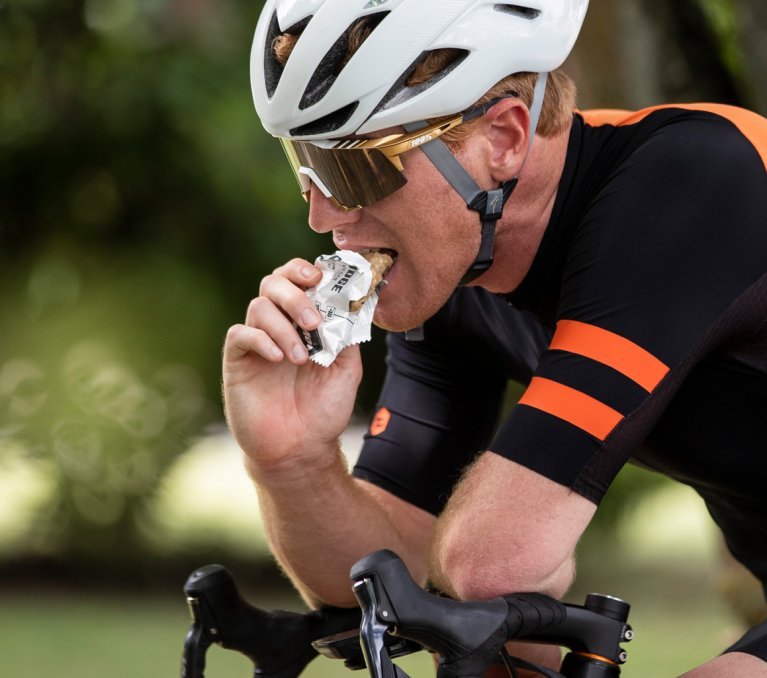
For rides longer than 60–90 minutes, you’ll need to replenish energy during the ride.
Cyclists typically consume 30–60 grams of carbohydrates per hour during endurance rides.
Common Cycling Ride Foods
Popular options include:
-
Energy bars
-
Bananas
-
Energy gels
-
Dried fruit
-
Peanut butter sandwiches
-
Sports chews
These foods are easy to carry and provide quick energy.
Eat Small Portions Regularly
Instead of eating large amounts at once, eat small snacks every 30–45 minutes.
This helps maintain steady energy levels.
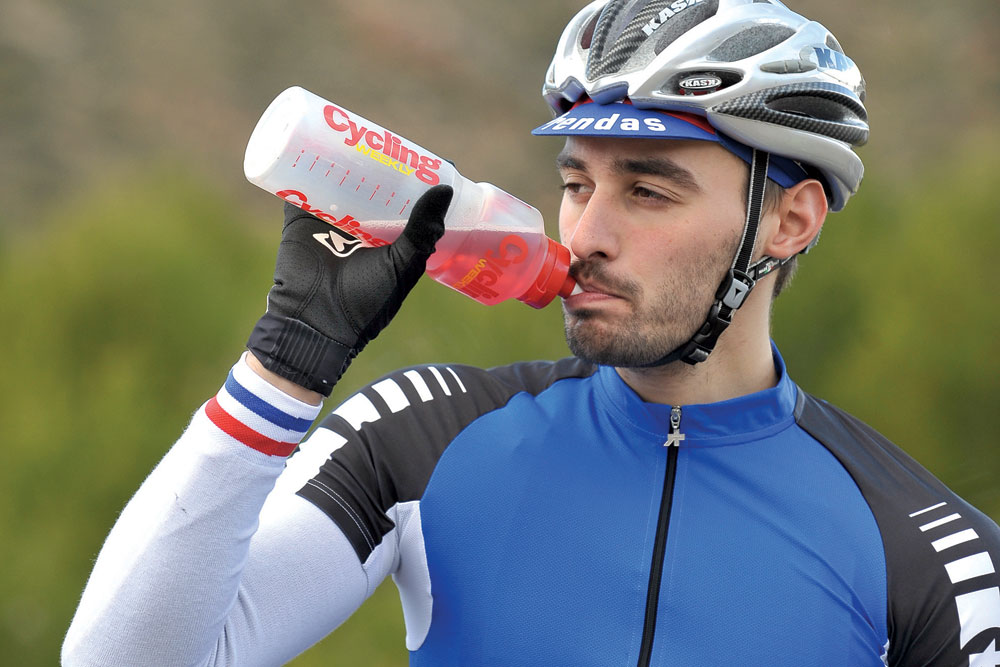
Hydration Tips for Long Rides

4
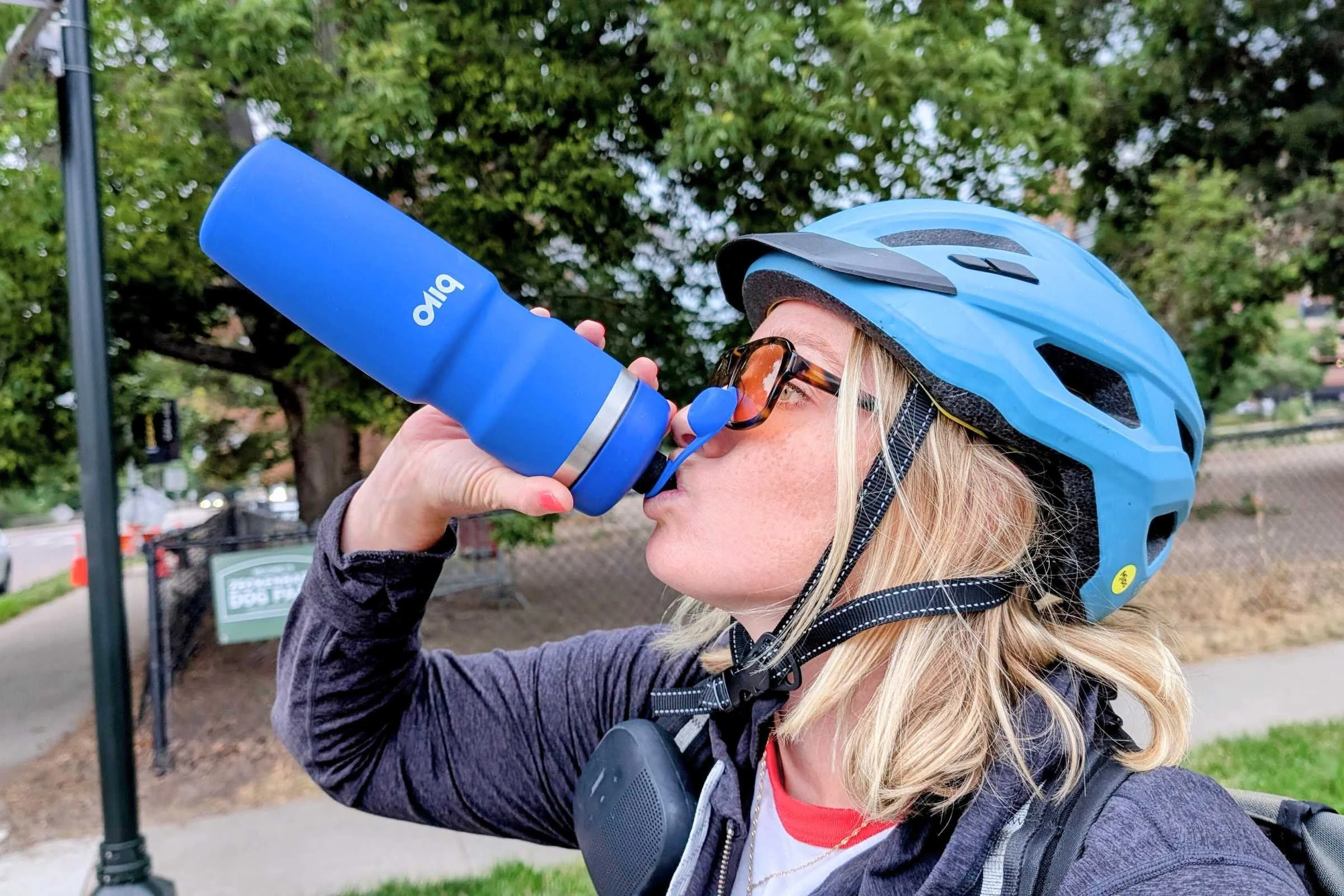
Hydration is just as important as nutrition.
Even mild dehydration can reduce cycling performance and increase fatigue.
How Much Water Do Cyclists Need?
A general guideline is:
500–750 ml of water per hour of riding
This amount varies depending on weather conditions and ride intensity.
Electrolytes
During long rides, cyclists lose electrolytes through sweat.
Electrolytes such as sodium, potassium, and magnesium help regulate muscle function and prevent cramps.
Sources of electrolytes include:
-
Sports drinks
-
Electrolyte tablets
-
Coconut water
Combining water with electrolytes helps maintain proper hydration.
Best Foods for Endurance Cycling


4
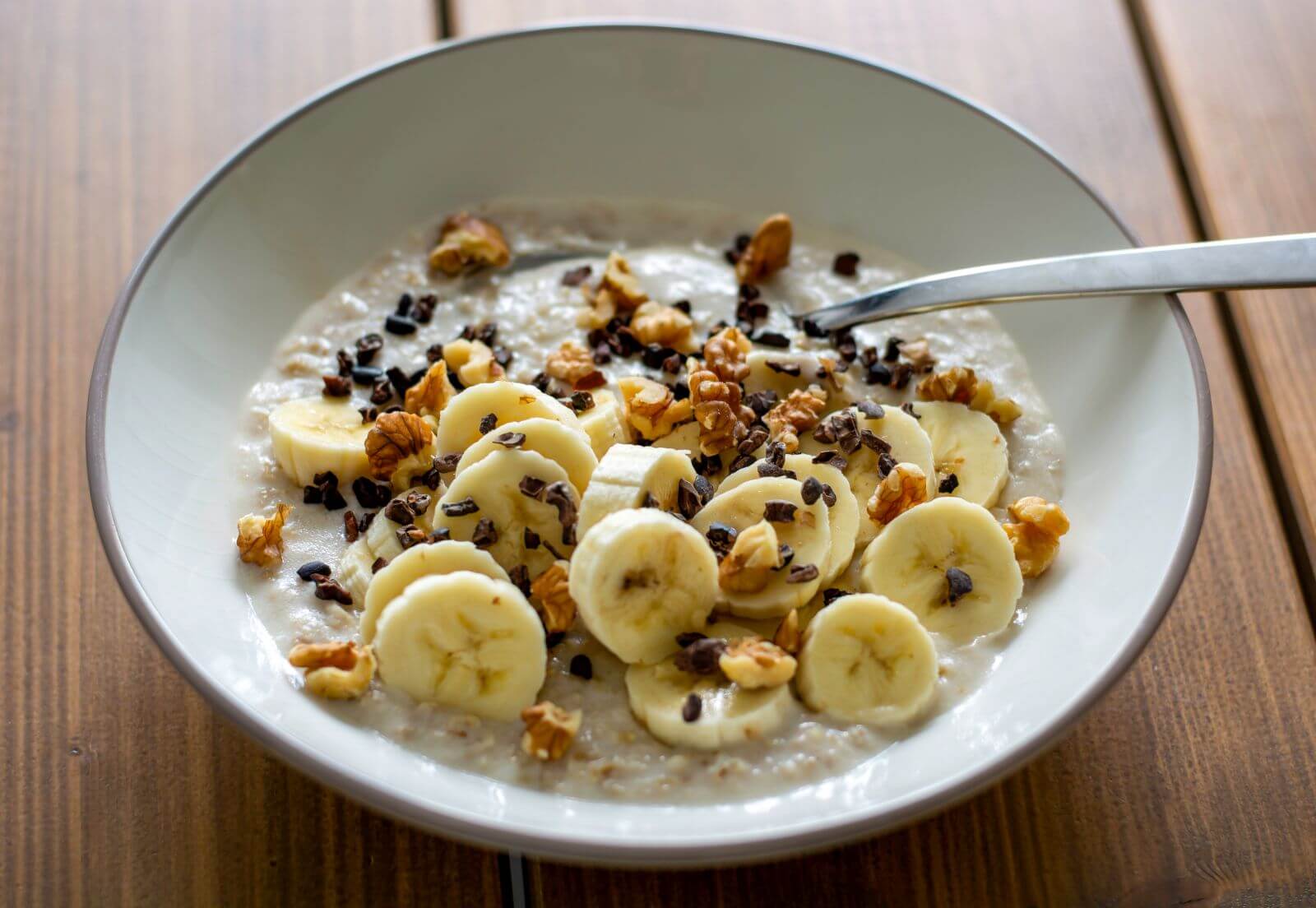
Many foods work well for endurance cycling.
Natural Cycling Snacks
Some cyclists prefer natural foods over processed sports nutrition products.
Great natural options include:
-
Bananas
-
Dates
-
Raisins
-
Honey sandwiches
-
Boiled potatoes with salt
Packable Ride Snacks
Easy-to-carry ride snacks include:
-
Energy bars
-
Energy gels
-
Sports chews
-
Peanut butter sandwiches
Experiment with different foods to see what works best for your body.
Post-Ride Nutrition for Recovery

4
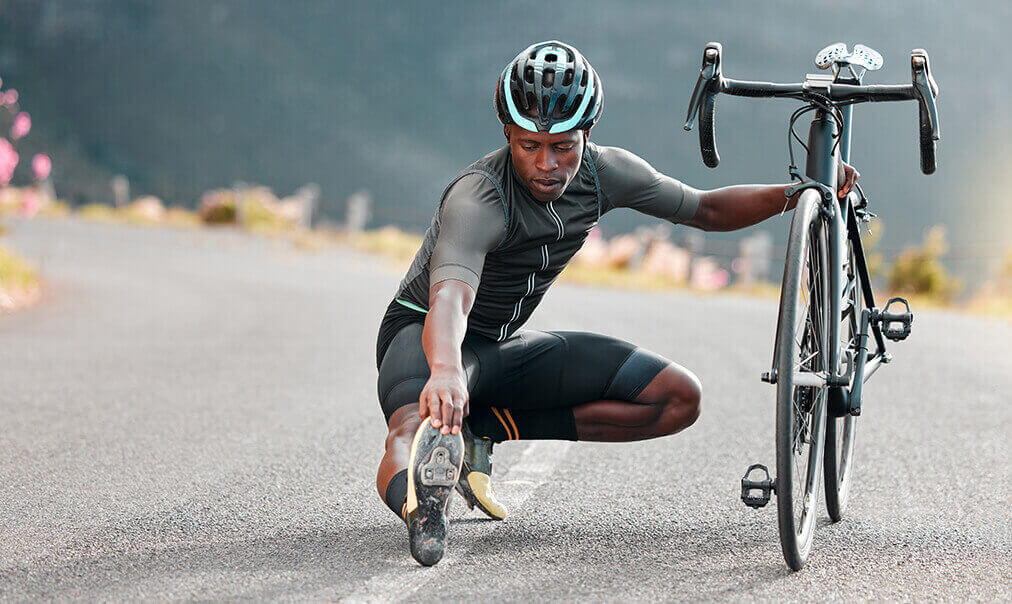
What you eat after a ride is just as important as what you eat before and during it.
Post-ride nutrition helps restore glycogen levels and repair muscle tissue.
Recovery Window
The best time to eat after cycling is within 30–60 minutes after finishing your ride.
Ideal Recovery Foods
Recovery meals should include:
-
Carbohydrates to replenish energy
-
Protein to repair muscles
Examples include:
-
Chicken and rice
-
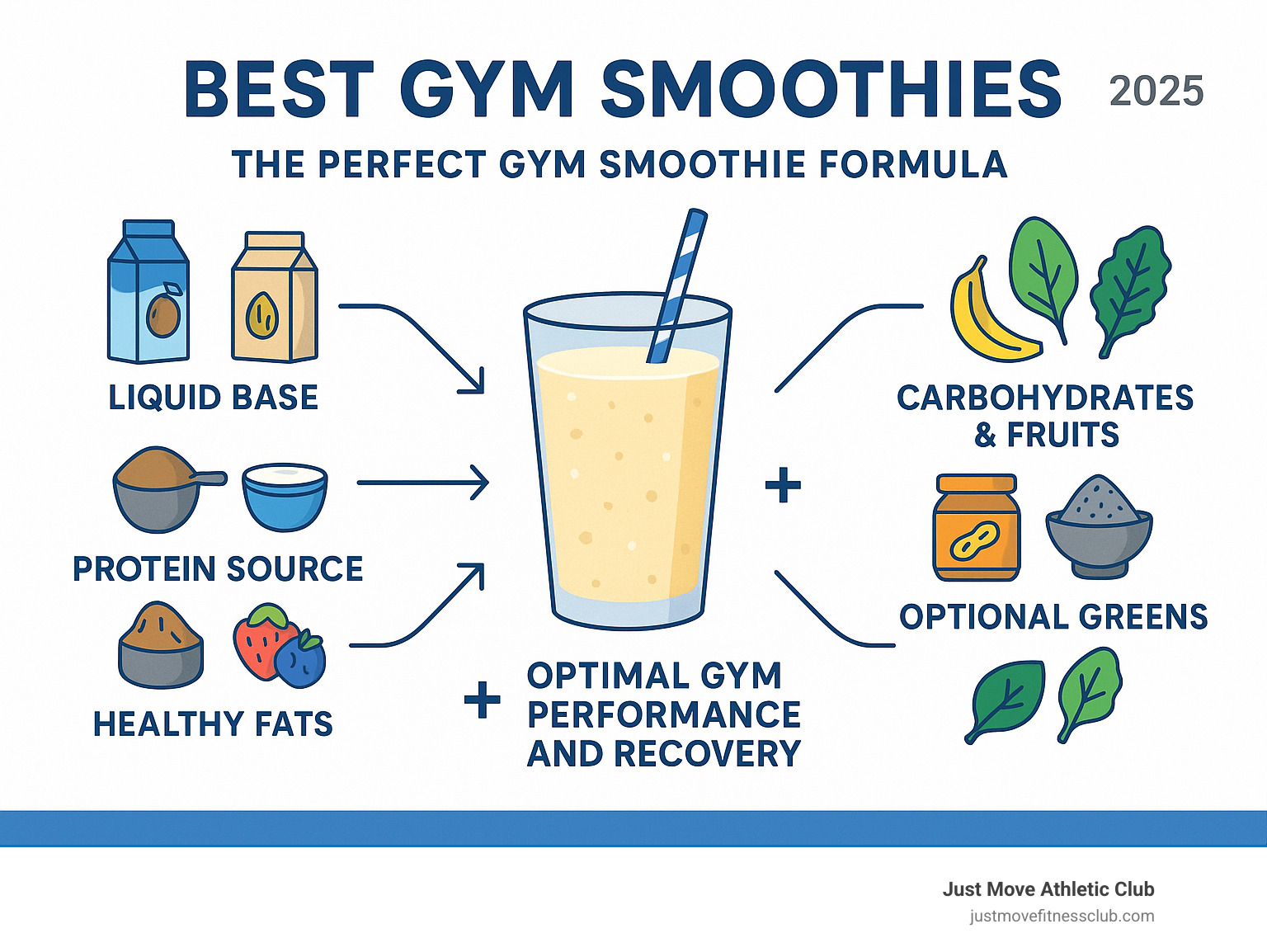
Protein smoothie with fruit
-
Eggs and toast
-
Yogurt with granola
Eating properly after rides helps prepare your body for the next training session.
Common Nutrition Mistakes Cyclists Make


4
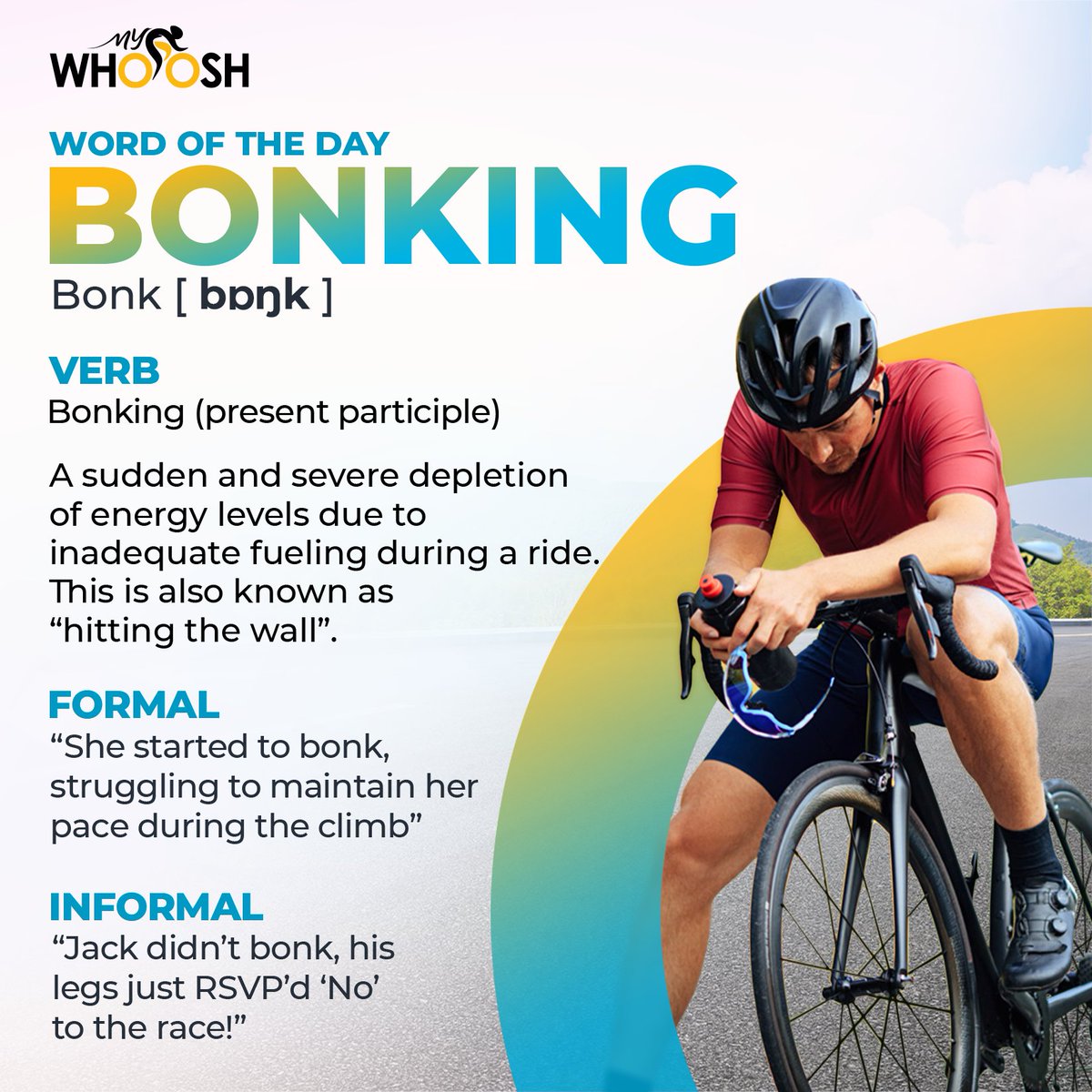
Many cyclists experience performance problems because of simple nutrition mistakes.
Not Eating Enough
Some riders underestimate how many calories they burn.
This can lead to fatigue and reduced performance.
Waiting Too Long to Eat
If you wait until you feel hungry, your energy levels may already be low.
Ignoring Hydration
Dehydration can significantly reduce endurance and concentration.
Trying New Foods on Race Day
Always test nutrition strategies during training rides rather than during important events.
Video: Cycling Nutrition Tips
Watching experienced cyclists and nutrition experts explain fueling strategies can help you better understand how to manage nutrition during long rides.
Creating a Personal Cycling Nutrition Plan
Every cyclist is different. Factors such as body size, ride intensity, climate, and metabolism influence nutritional needs.
When creating your own cycling nutrition plan, consider the following:
Ride Duration
Short rides require less nutrition than long endurance rides.
Climate
Hot weather increases hydration needs.
Ride Intensity
Higher intensity rides burn more carbohydrates.
Personal Tolerance
Some riders prefer natural foods while others rely on sports nutrition products.
Experiment with different strategies until you find what works best for you.
Sample Nutrition Plan for a Long Ride
Here is a simple example of how a cyclist might fuel a 3–4 hour ride.
Before the Ride
Oatmeal with banana and honey
Glass of water
During the Ride
1 banana every hour
Energy bar halfway through the ride
Sports drink for hydration
After the Ride
Chicken, rice, and vegetables
Protein smoothie
This simple plan provides energy, hydration, and recovery nutrients.
Final Thoughts
Proper nutrition is one of the most important factors in long-distance cycling performance. Fueling your body with the right balance of carbohydrates, protein, fats, and hydration allows you to ride longer, maintain consistent energy, and recover faster.
By planning your meals before, during, and after your rides, you can avoid fatigue, prevent dehydration, and improve your overall cycling experience.
As you gain experience, you’ll learn which foods and strategies work best for your body. With the right nutrition approach, every ride can be stronger, more enjoyable, and more rewarding.
So fuel up, stay hydrated, and enjoy the journey on every mile of your cycling adventure.
✅ If you want, I can also create:
-
50 more SEO cycling blog posts (3000+ words)
-
A full cycling blog content strategy to grow traffic
-
A “Best Hardtail Mountain Bikes for Beginners” 3500-word SEO article
-
A complete blog category structure for your cycling website.
Cycling for Weight Loss: Does It Work? write a blog of 300 words include pictures and videos
Cycling for Weight Loss: Does It Work?

4
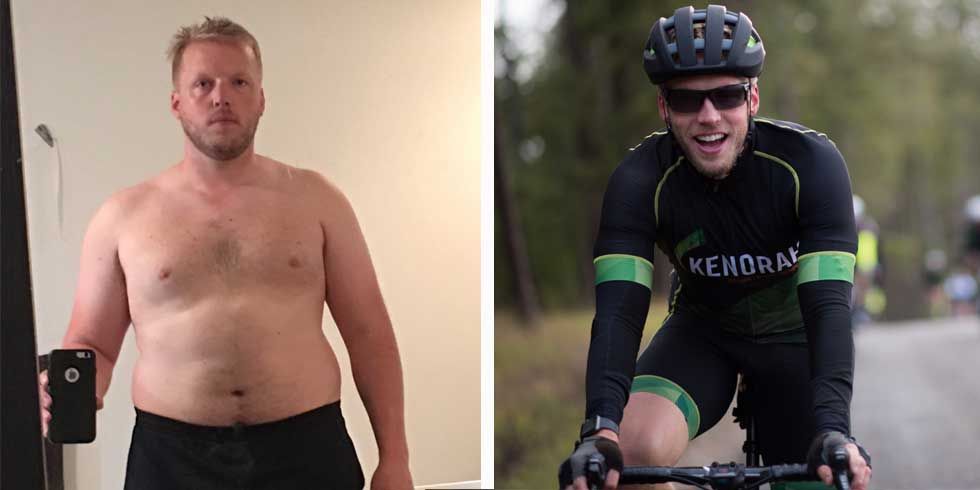
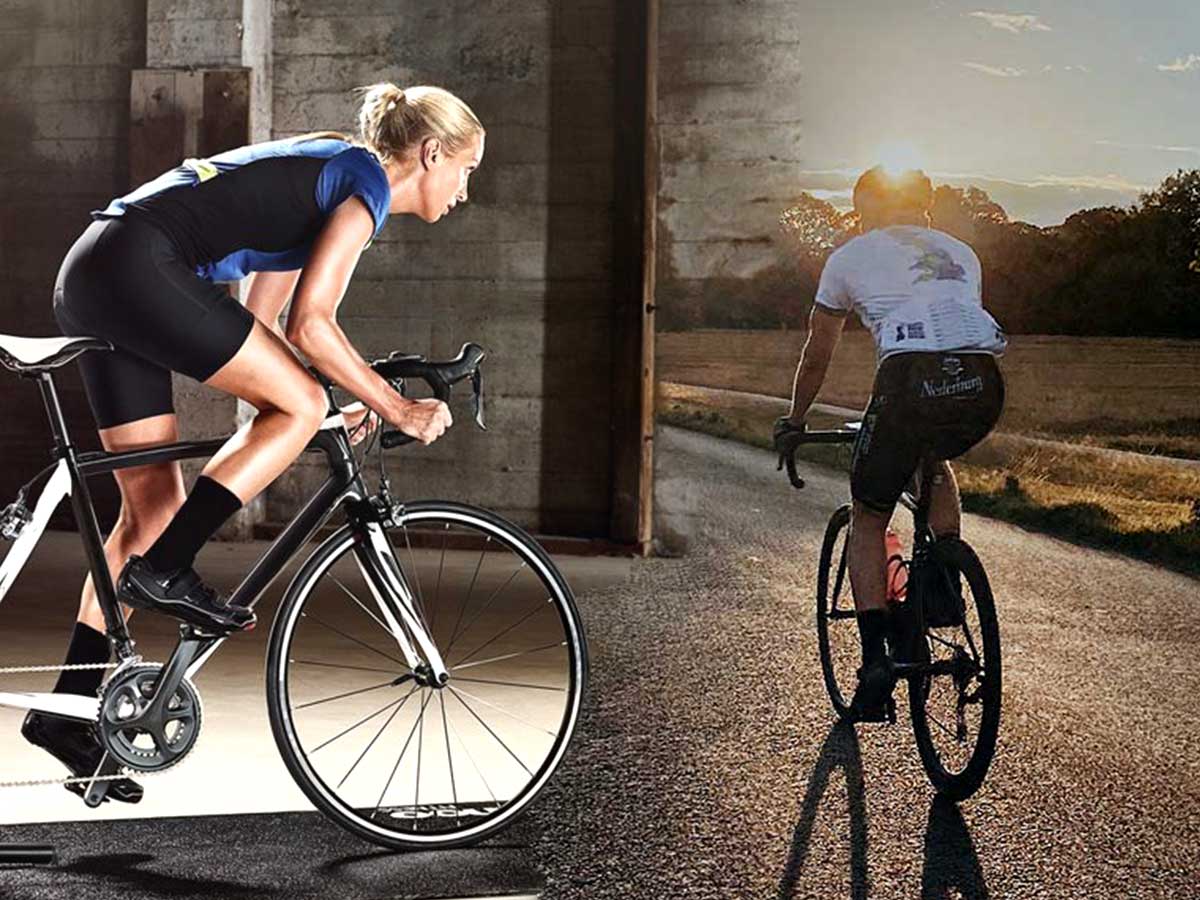
Cycling is one of the most effective and enjoyable exercises for weight loss. It combines cardiovascular training with muscle engagement, allowing your body to burn calories while improving overall fitness. Whether you ride outdoors or use a stationary bike, cycling can be a powerful tool for losing weight and maintaining a healthy lifestyle.
How Cycling Helps Burn Calories
Cycling is a high-calorie-burning activity. Depending on your speed, intensity, and body weight, you can burn between 400 and 800 calories per hour. The faster and longer you ride, the more energy your body uses.
Regular cycling also increases your metabolism, which means your body continues to burn calories even after your ride is finished.
Additional Health Benefits
Beyond weight loss, cycling offers several important health benefits:
-
Improves cardiovascular health
-
Builds leg muscles and endurance
-
Reduces stress and improves mood
-
Strengthens joints with low-impact movement
Because cycling is gentle on the joints compared to running, it is a great option for people of all fitness levels.
Tips for Using Cycling to Lose Weight
To maximize weight loss results:
-
Ride at least 3–5 times per week
-
Combine long rides with short high-intensity sessions
-
Maintain a healthy diet
-
Gradually increase distance and intensity
Consistency is the key to seeing real progress.
Conclusion
Yes—cycling absolutely works for weight loss. When combined with proper nutrition and regular training, it can help you burn calories, improve fitness, and maintain a healthier lifestyle. Best of all, cycling is fun, accessible, and suitable for beginners and experienced riders alike.