Summer 25% discount on all last year's bike models


Beginner’s Guide to Cycling: Everything You Need to Know


4
Cycling is one of the most enjoyable, healthy, and accessible outdoor activities in the world. Whether you want to improve your fitness, explore nature, commute to work, or simply enjoy a relaxing ride, cycling offers countless benefits for people of all ages and experience levels.
For beginners, however, getting started can feel overwhelming. With so many bike types, gear options, and riding techniques to learn, it’s easy to feel unsure about where to begin.
This comprehensive beginner’s guide will walk you through everything you need to know about cycling—from choosing the right bike and gear to learning riding techniques, safety tips, and maintenance basics.
By the end of this guide, you’ll feel confident and ready to start your cycling journey.
Why Cycling Is a Great Activity

4
Cycling is more than just transportation—it’s a lifestyle that benefits both your physical and mental well-being.
Physical Health Benefits
Cycling is a low-impact exercise that improves cardiovascular fitness while being gentle on the joints. Unlike running, cycling reduces strain on your knees and hips while still delivering an effective workout.
Regular cycling can help:
- Improve heart health
- Build muscle strength
- Increase endurance
- Burn calories and support weight loss
- Improve balance and coordination
Mental Health Benefits
Spending time outdoors and exercising has powerful mental health benefits. Cycling can help reduce stress, improve mood, and boost overall happiness.
Many cyclists describe riding as a form of meditation—allowing them to clear their mind while focusing on the rhythm of the ride.
Environmental Benefits
Cycling is also one of the most eco-friendly forms of transportation. Choosing a bike instead of a car reduces pollution and traffic congestion while supporting a healthier planet.
Choosing the Right Bike


4
One of the first and most important steps in cycling is choosing the right type of bicycle. Different bikes are designed for different riding styles and terrains.
Road Bikes
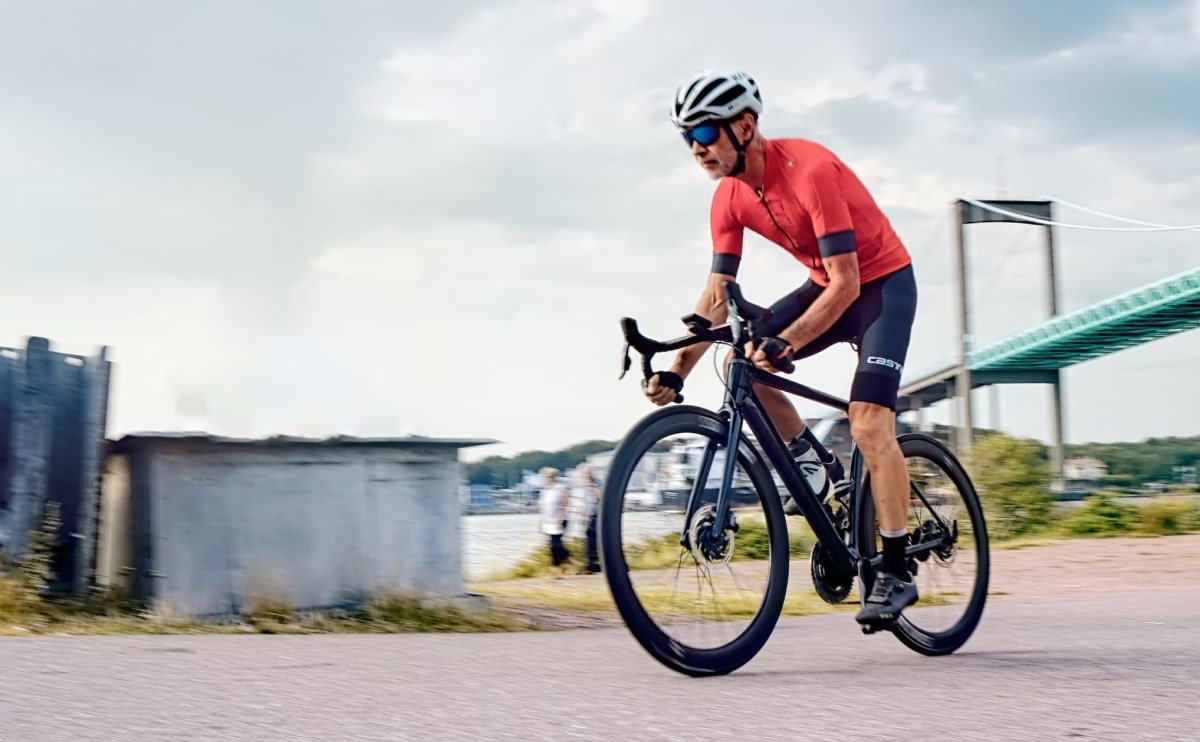
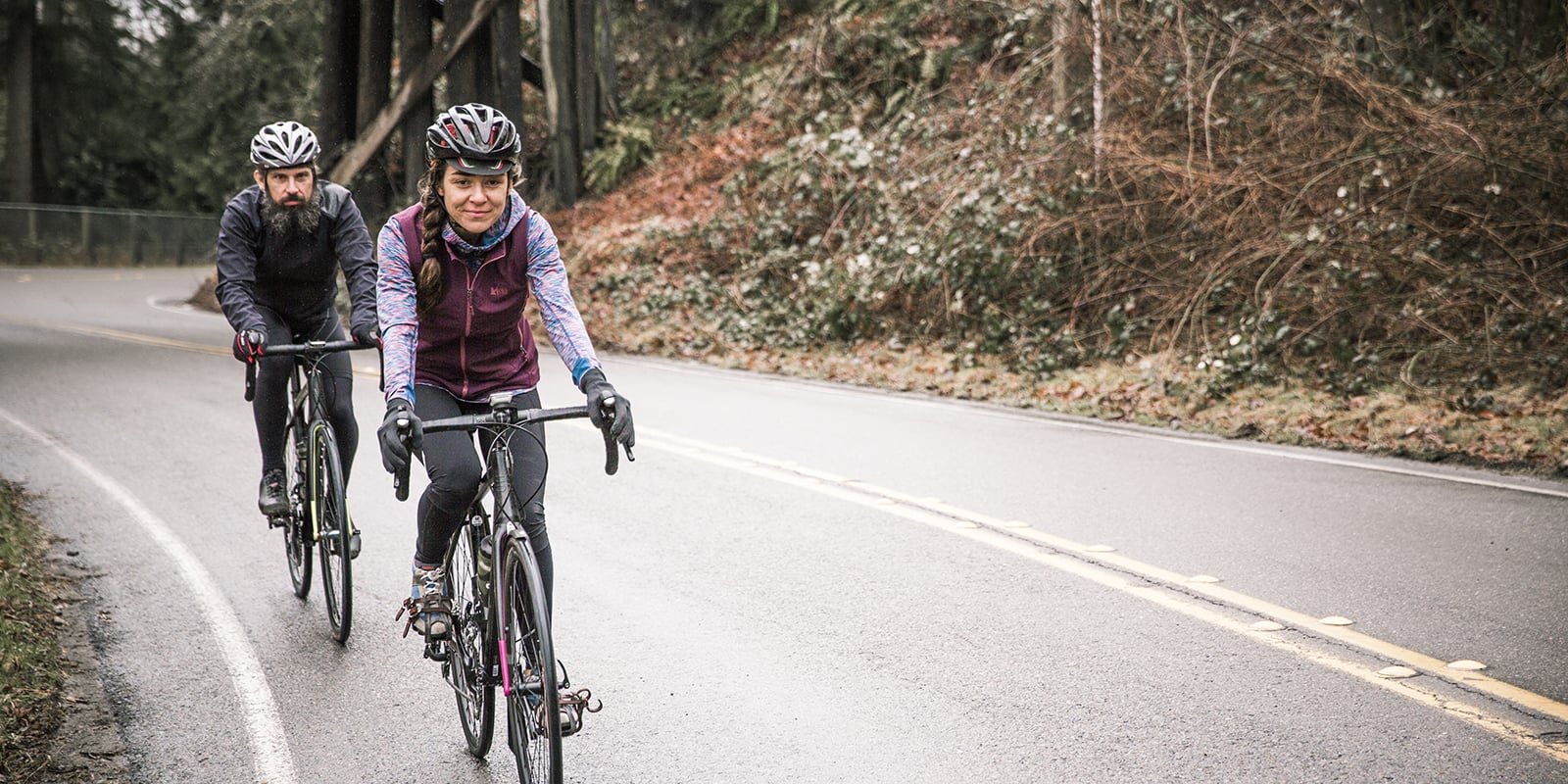
Road bikes are designed for speed and efficiency on paved roads. They have lightweight frames, thin tires, and drop handlebars.
Best for:
- Long-distance rides
- Fitness cycling
- Road racing
- Smooth pavement
Mountain Bikes
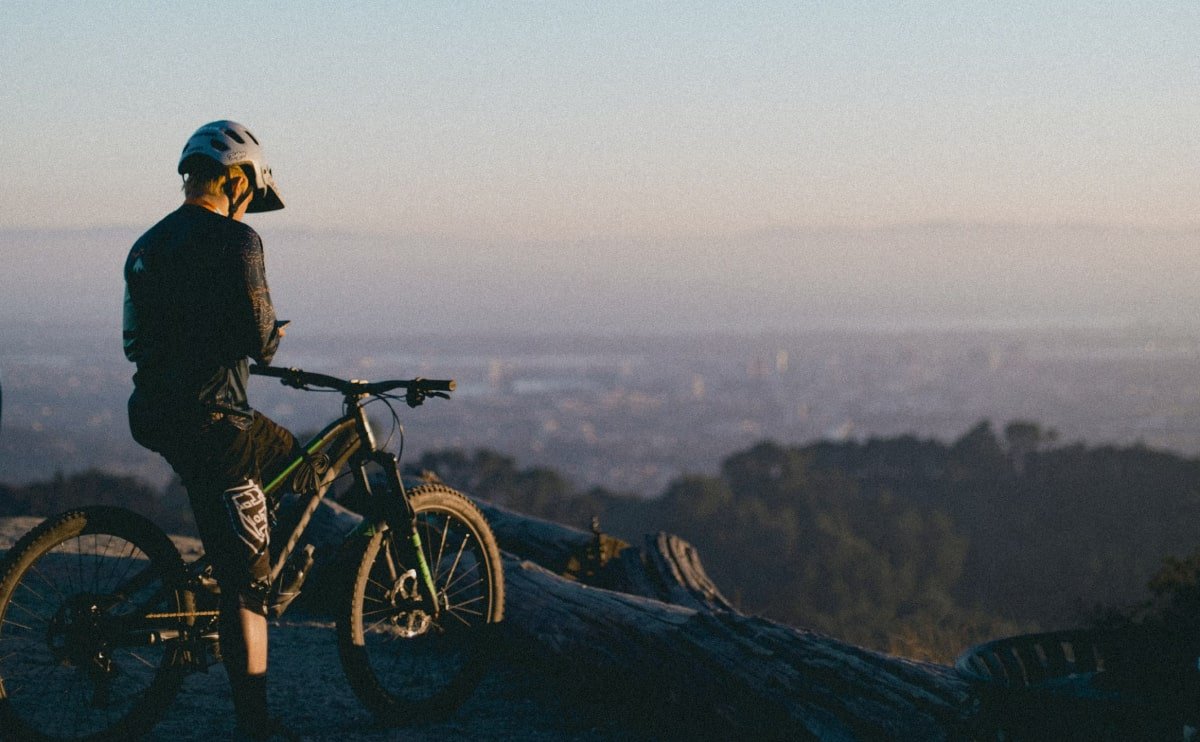
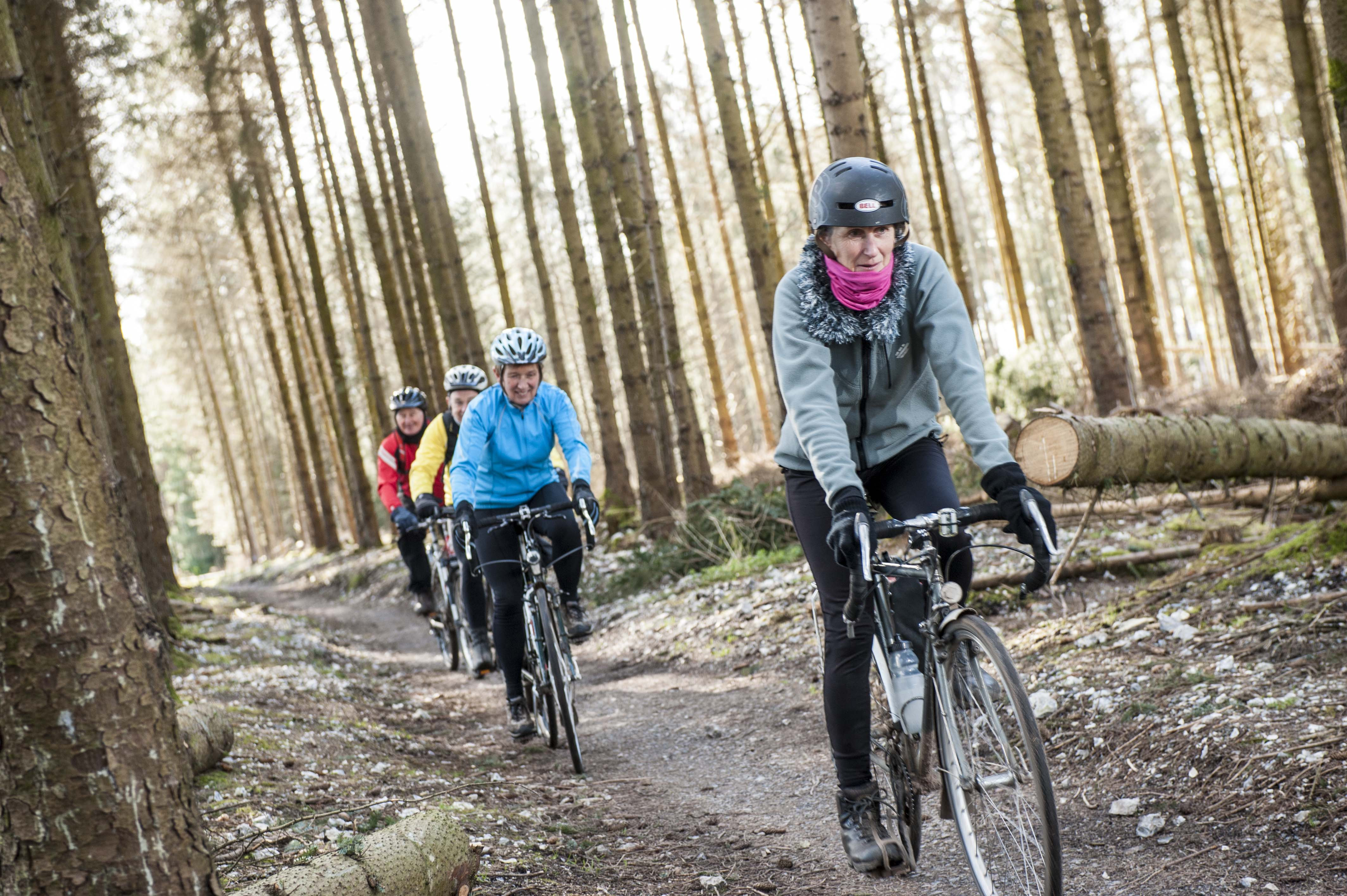
Mountain bikes are built for off-road riding. They feature wide tires, strong frames, and suspension systems that absorb shocks on rough terrain.
Best for:
- Trail riding
- Dirt paths
- Rocky terrain
- Forest trails
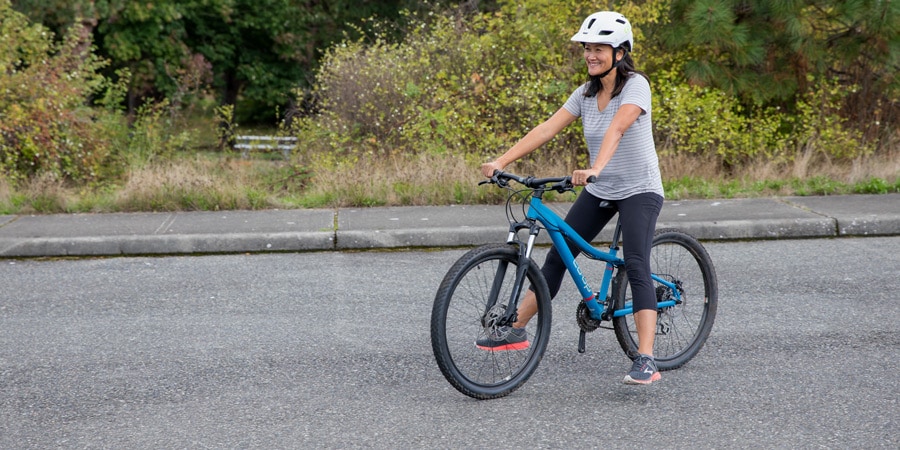
A hardtail mountain bike is especially popular among beginners because it offers durability and versatility while remaining more affordable than full-suspension bikes.
Hybrid Bikes
Hybrid bikes combine features from both road and mountain bikes. They are ideal for beginners who want a comfortable and versatile bike.
Best for:
- City commuting
- Casual riding
- Bike paths
Electric Bikes (E-Bikes)
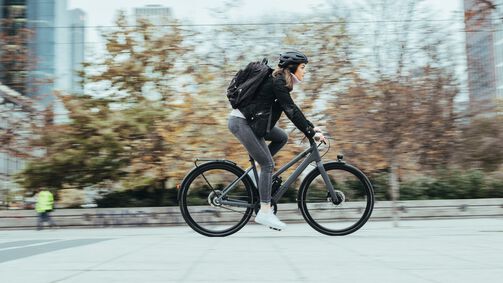
Electric bikes include a motor that assists your pedaling, making riding easier and allowing you to travel longer distances with less effort.
Best for:
- Long commutes
- Hills and difficult terrain
- Riders who want extra assistance
Essential Cycling Gear for Beginners

4
While cycling itself requires only a bike, having the right gear can greatly improve your comfort and safety.
Helmet
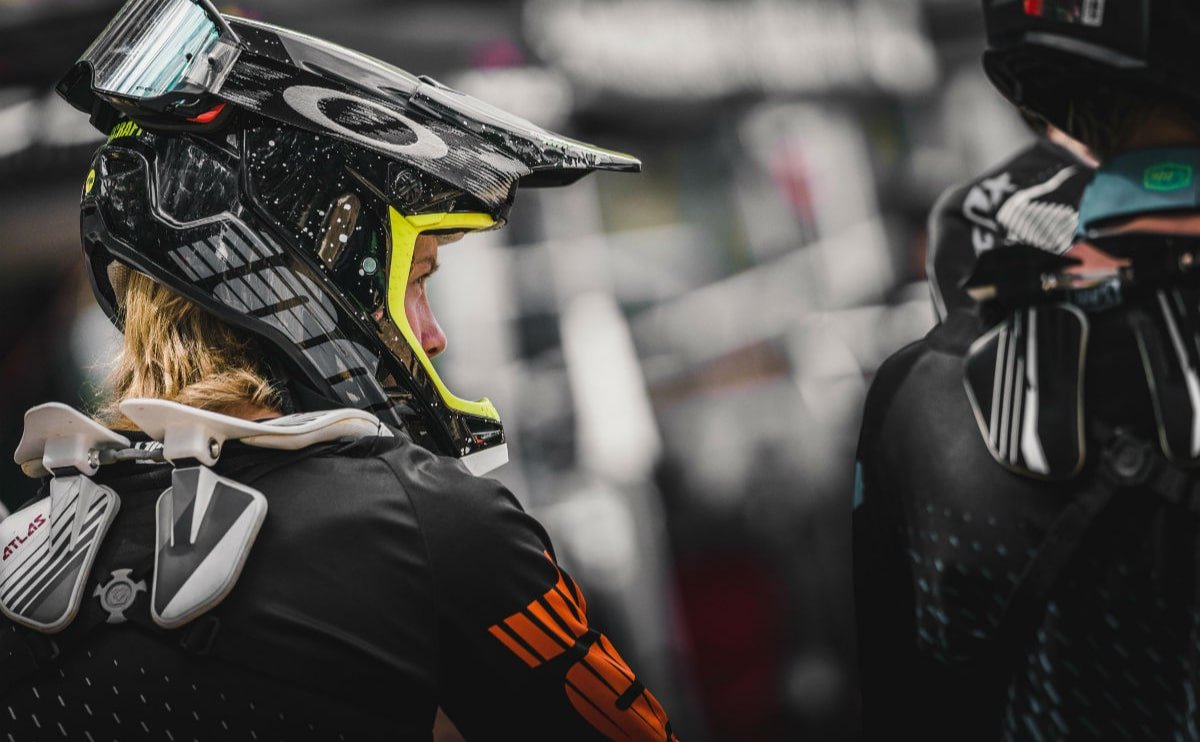
A helmet is the most important piece of safety equipment for any cyclist. It protects your head in case of a fall or accident.
Always choose a helmet that fits properly and meets safety standards.
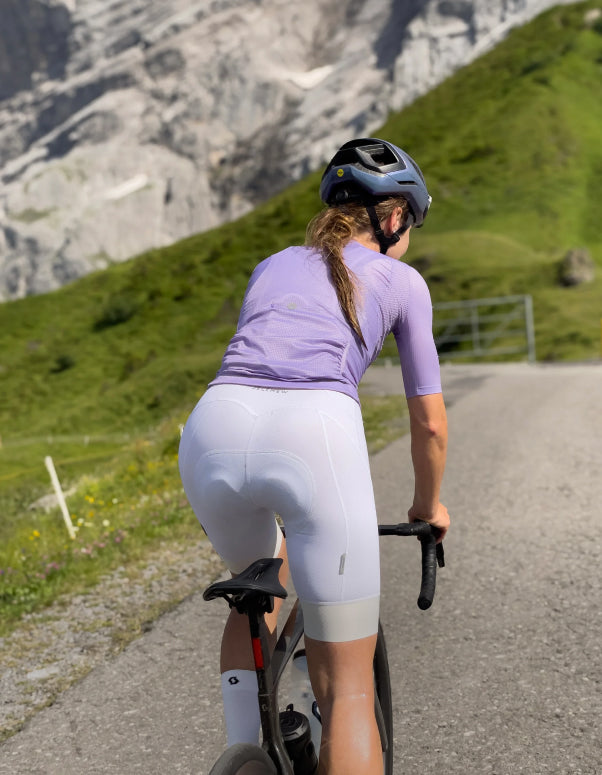
Cycling Shorts
Cycling shorts contain padded inserts that reduce pressure and friction during longer rides.
They significantly improve comfort, especially for beginners who are not used to sitting on a bike saddle for extended periods.
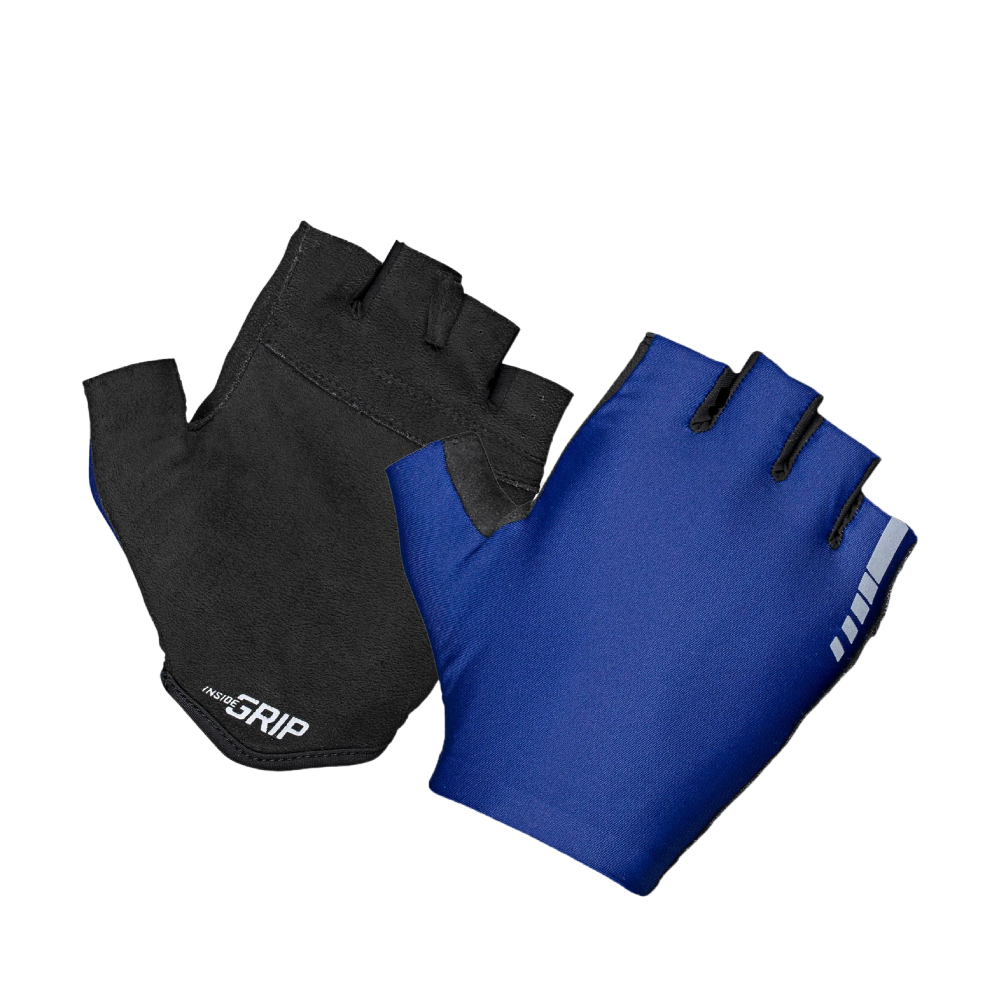
Cycling Gloves
Gloves provide several benefits:
- Better grip on handlebars
- Reduced hand fatigue
- Protection in case of falls
Water Bottle
Staying hydrated is essential while riding. Most bikes include bottle cage mounts for easy access during rides.
Bike Lights
If you plan to ride early in the morning or after sunset, front and rear lights are essential for visibility and safety.
Learning Basic Cycling Skills

Before heading out on long rides, beginners should practice some fundamental cycling skills.
Proper Riding Position
A comfortable riding position improves efficiency and prevents injuries.
Tips for good posture:
- Keep your back slightly bent
- Relax your shoulders
- Keep your elbows slightly bent
- Look forward instead of down
Shifting Gears
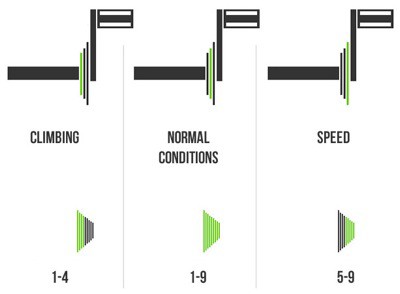
Most bikes have multiple gears that help you ride efficiently on different terrain.
General rule:
- Use lower gears for hills
- Use higher gears for flat roads and speed
Practice shifting smoothly to avoid damaging the drivetrain.
Braking Safely
Use both brakes when slowing down.
Front brakes provide most of the stopping power, but applying them too hard can cause the front wheel to lock. Balance both brakes for controlled stopping.
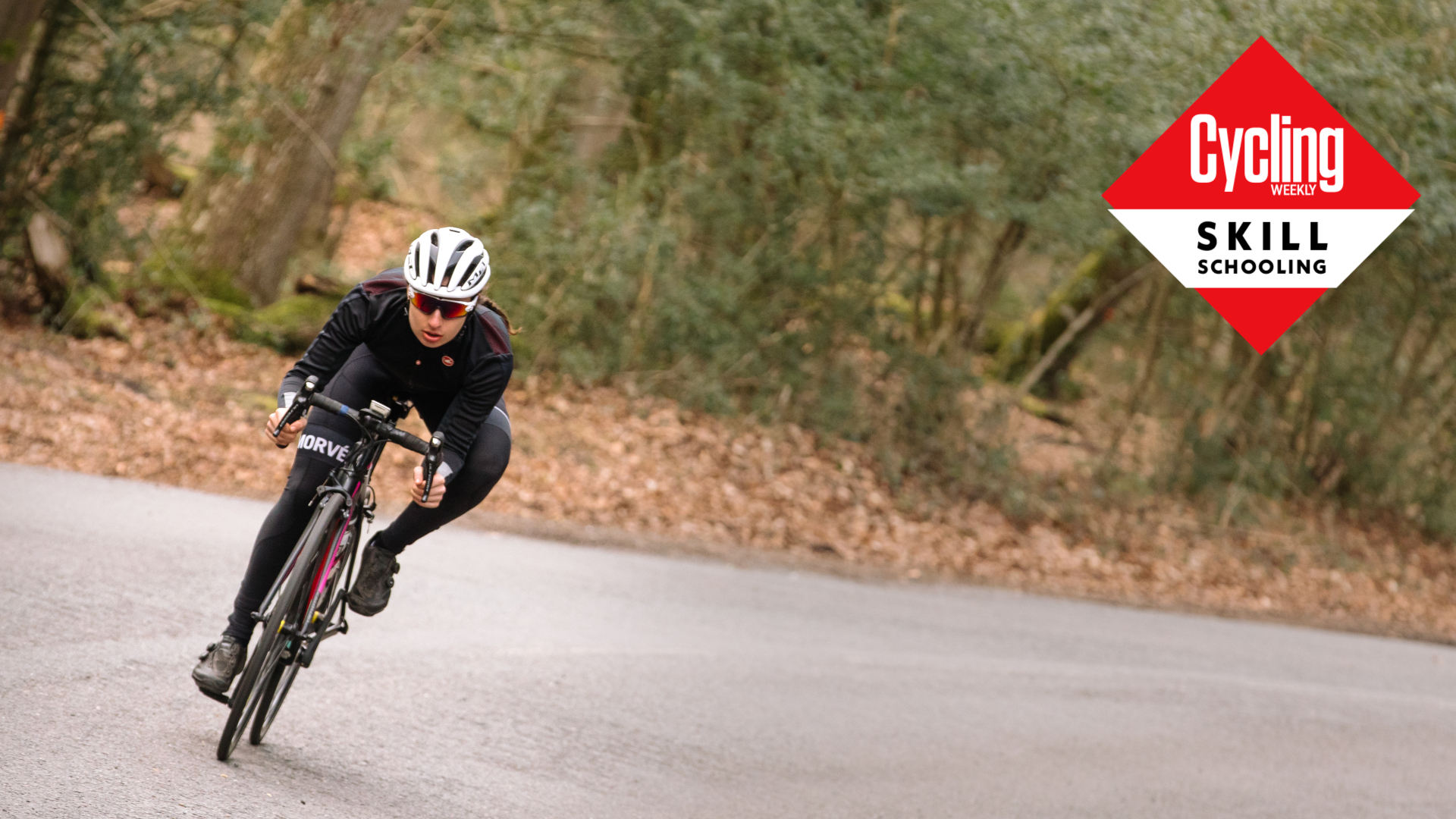
Turning and Cornering
Slow down before entering a turn and lean slightly into the corner while keeping your balance centered.
Basic Bike Maintenance for Beginners


4
Proper bike maintenance keeps your bicycle running smoothly and extends its lifespan.
Keep Your Bike Clean
Dirt and debris can wear down components. Cleaning your bike regularly prevents premature damage.
Lubricate the Chain
The chain should be lubricated frequently to reduce friction and improve performance.
Wipe off excess lubricant to prevent dirt buildup.
Check Tire Pressure
Underinflated tires make riding harder and increase the risk of flats.
Check tire pressure before every ride using a bike pump with a pressure gauge.
Inspect Brakes and Gears
Make sure your brakes are responsive and your gears shift smoothly before heading out.
Cycling Safety Tips


4
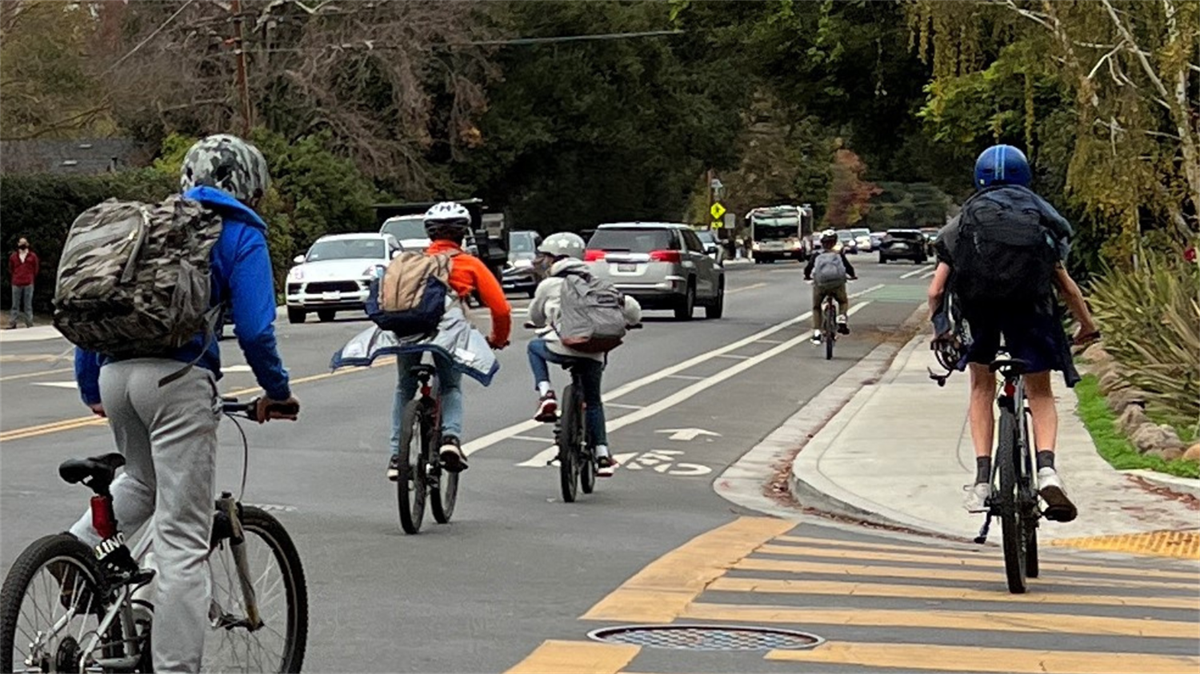
Safety should always be a priority when cycling.
Follow Traffic Rules
Cyclists should follow the same traffic laws as cars. Stop at traffic lights and ride in the same direction as traffic.
Use Hand Signals
Hand signals help communicate your intentions to drivers and other cyclists.
Common signals include:
- Left turn
- Right turn
- Slowing down or stopping
Stay Visible
Wear bright or reflective clothing and use lights when riding in low visibility conditions.
Be Aware of Your Surroundings
Always watch for pedestrians, vehicles, and road hazards.
Avoid distractions such as using your phone while riding.
Tips for Your First Cycling Rides
Starting your cycling journey should be fun and gradual.
Helpful beginner tips include:
- Start with short rides (20–30 minutes)
- Choose flat and quiet roads or bike paths
- Ride at a comfortable pace
- Take breaks if needed
- Gradually increase distance and intensity
Joining a local cycling group or riding with friends can also make cycling more enjoyable and motivating.
Common Beginner Cycling Mistakes
Many new cyclists make small mistakes that can reduce comfort or performance.
Some common beginner mistakes include:
- Riding with incorrect saddle height
- Ignoring proper bike maintenance
- Wearing uncomfortable clothing
- Starting with rides that are too long
- Forgetting hydration
Learning from these mistakes will help you become a better and more confident cyclist.
The Long-Term Benefits of Cycling
Cycling is more than just a hobby—it can become a lifelong passion.
People who cycle regularly often experience:
- Improved physical fitness
- Greater mental clarity
- Stronger endurance
- Increased confidence
- Opportunities to explore new places
Cycling also builds a sense of community, connecting riders with others who share the same passion for adventure and outdoor activity.
Final Thoughts
Cycling is one of the most rewarding activities you can start. It combines fitness, freedom, and fun while allowing you to explore the world at your own pace.
As a beginner, the most important thing is simply to start riding. Choose the right bike, wear proper safety gear, practice basic skills, and enjoy the journey.
With time and experience, you’ll become more confident, ride longer distances, and discover the incredible joy that cycling brings.
So grab your bike, put on your helmet, and begin your cycling adventure today.