Blog
Hardtail vs Full Suspension Mountain Bikes: Pros and Cons



4
Mountain biking is one of the most exciting and rewarding cycling disciplines. Whether you’re riding through forest trails, climbing steep hills, or descending rocky terrain, having the right bike can make a huge difference in your riding experience.
One of the most common questions new riders ask is: Should I choose a hardtail mountain bike or a full suspension mountain bike?
Both types of bikes are designed for off-road riding, but they have different frame designs, suspension systems, and performance characteristics. Each option offers unique advantages and disadvantages depending on your riding style, terrain, and budget.
In this comprehensive guide, we’ll explore the differences between hardtail and full suspension mountain bikes, their pros and cons, and how to choose the right bike for your needs.
What Is a Hardtail Mountain Bike?

4
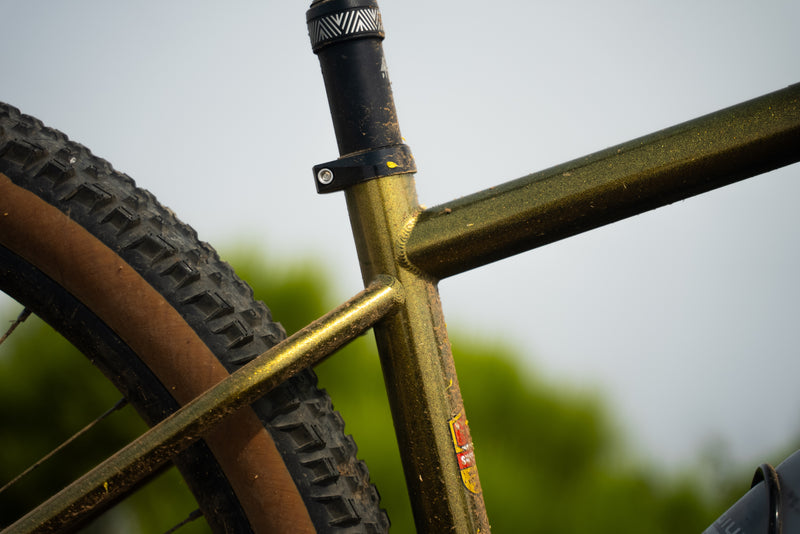
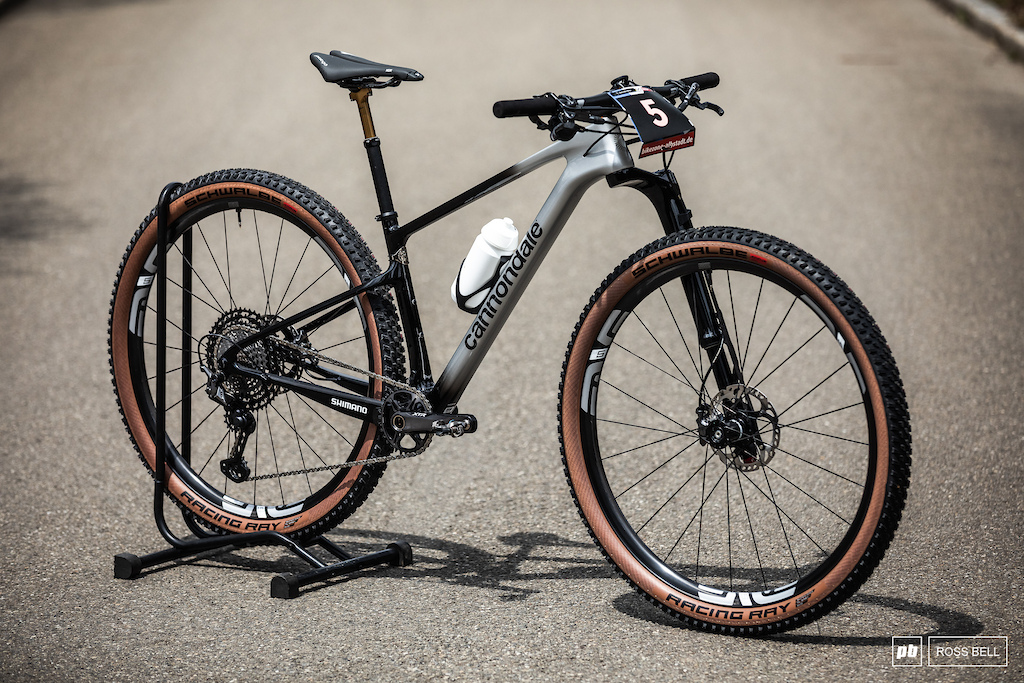
A hardtail mountain bike features a suspension fork at the front but does not include rear suspension. The rear triangle of the frame is rigid, which gives the bike its name.
Hardtails are one of the most common types of mountain bikes and are often recommended for beginners because they are simpler, lighter, and more affordable than full suspension bikes.
Key Features of Hardtail Bikes
- Front suspension fork
- Rigid rear frame
- Lightweight design
- Efficient pedaling
- Lower maintenance
Hardtail bikes are commonly used for cross-country riding, trail riding, and fitness cycling.
What Is a Full Suspension Mountain Bike?

4
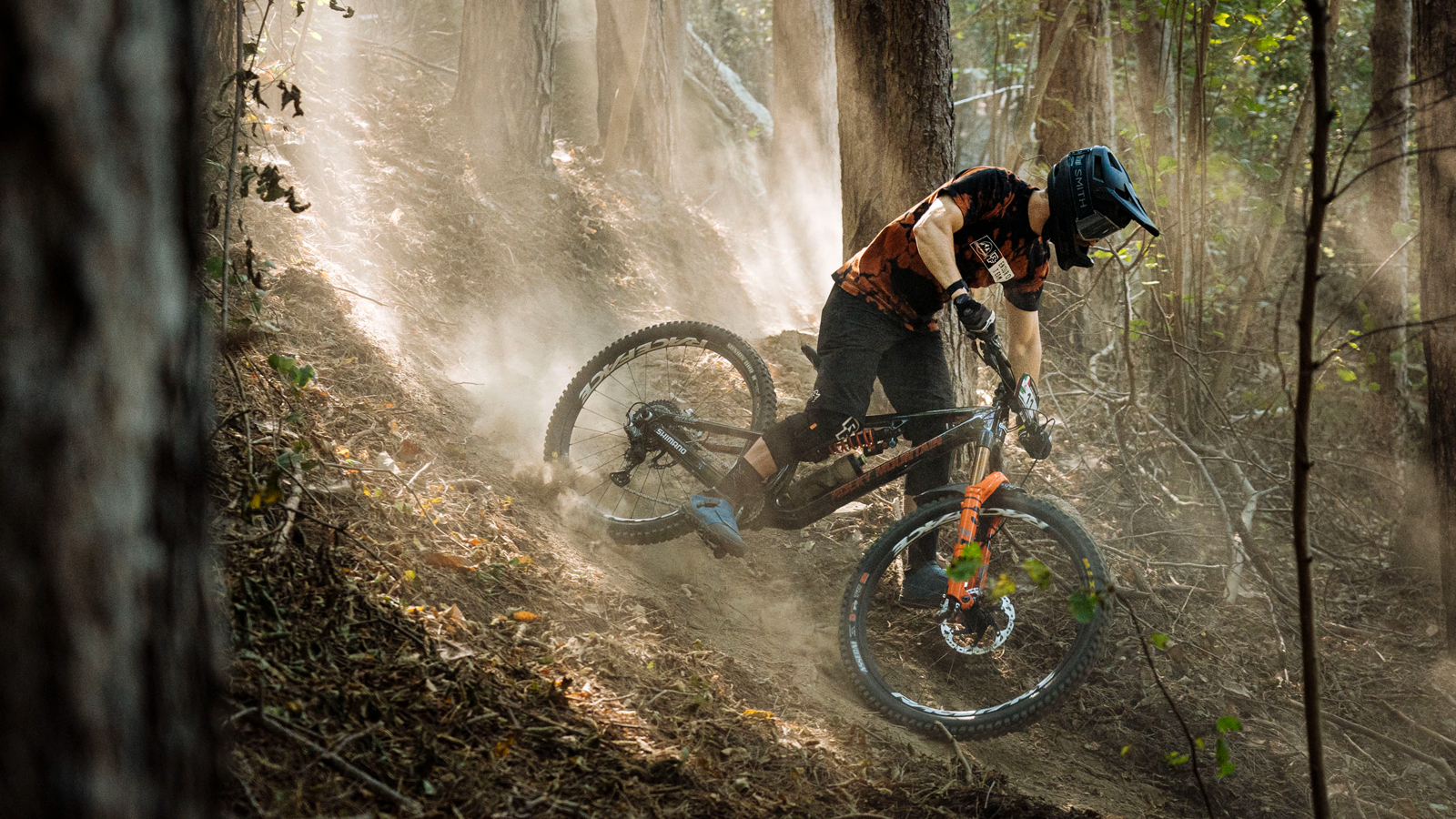
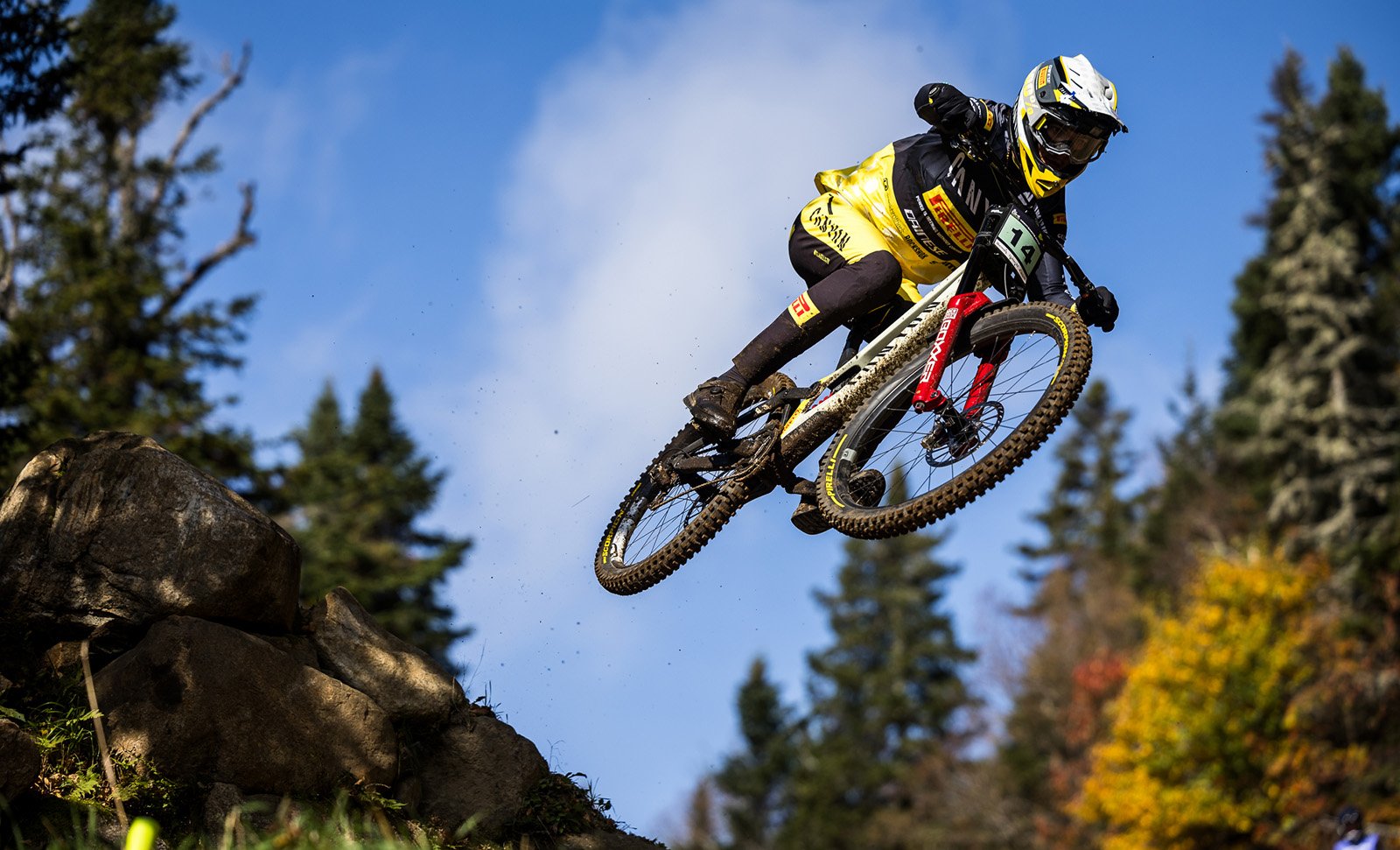
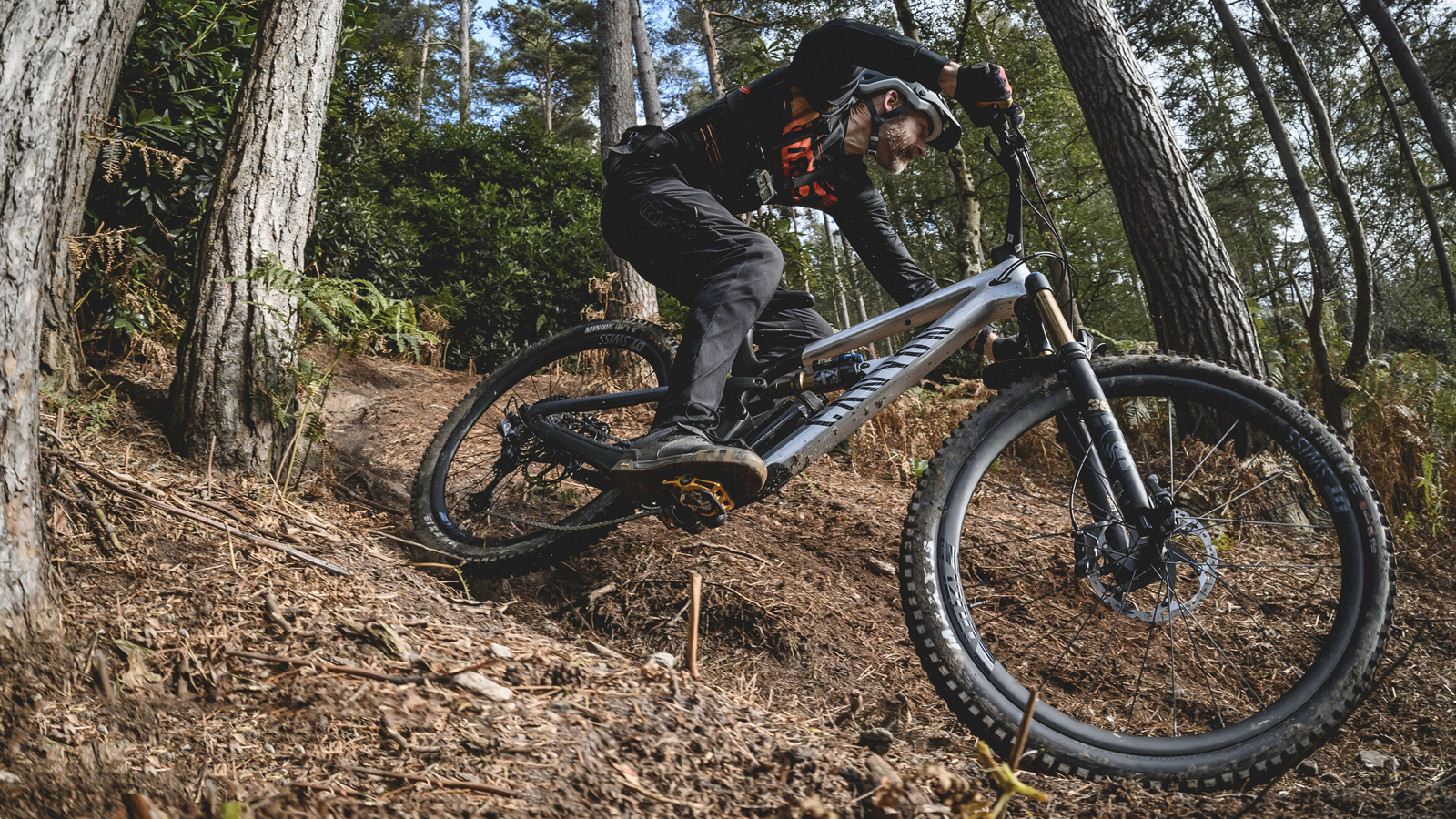
A full suspension mountain bike features suspension systems at both the front and rear wheels. In addition to the front fork, the frame includes a rear shock absorber that helps absorb impacts from rough terrain.
Full suspension bikes are designed to improve control, comfort, and traction on technical trails.
Key Features of Full Suspension Bikes
- Front suspension fork
- Rear shock absorber
- Improved traction
- Better shock absorption
- Greater control on rough terrain
These bikes are commonly used for trail riding, enduro, downhill riding, and aggressive mountain biking.
Hardtail vs Full Suspension: Key Differences
Before choosing a bike, it’s important to understand the major differences between the two designs.
| Feature | Hardtail Mountain Bike | Full Suspension Mountain Bike |
|---|---|---|
| Suspension | Front only | Front and rear |
| Weight | Lighter | Heavier |
| Price | More affordable | More expensive |
| Maintenance | Simpler | More complex |
| Climbing efficiency | Excellent | Good |
| Comfort | Moderate | Excellent |
| Control on rough terrain | Good | Superior |
While both bikes can handle off-road terrain, they perform differently depending on trail conditions.
Pros of Hardtail Mountain Bikes


4
Hardtail mountain bikes offer several advantages, especially for beginners and cross-country riders.
1. Lower Cost
Hardtail bikes are typically much cheaper than full suspension bikes. Since they have fewer components, manufacturers can keep costs lower.
For riders on a budget, a hardtail allows you to get a high-quality frame and components without spending thousands of dollars.
2. Lighter Weight
Without a rear shock and linkage system, hardtail bikes are generally lighter. A lighter bike makes climbing hills easier and improves overall pedaling efficiency.
3. Better Pedaling Efficiency
Because the rear triangle is rigid, power from pedaling transfers directly to the rear wheel.
This makes hardtail bikes especially effective for:
- Cross-country racing
- Long-distance rides
- Climbing steep hills
4. Easier Maintenance
Hardtail bikes have fewer moving parts, which means:
- Less maintenance
- Lower repair costs
- Greater durability
For beginners who are not familiar with bike maintenance, this simplicity is a major advantage.
5. Improved Riding Skills
Hardtails force riders to develop better technique. Without rear suspension to absorb mistakes, riders learn how to choose better lines and improve bike control.
Cons of Hardtail Mountain Bikes
4
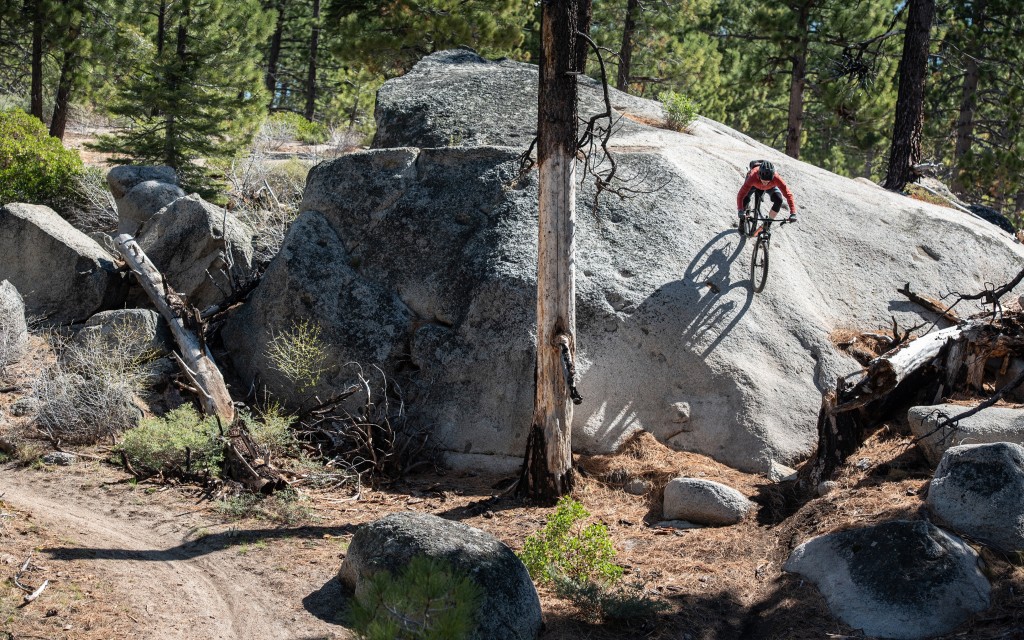
While hardtail bikes are excellent for many riders, they also have some limitations.
1. Less Comfort on Rough Terrain
Without rear suspension, bumps and rocks transfer directly through the frame to the rider. This can make rides on rough terrain more tiring.
2. Reduced Traction
Rear suspension helps keep the rear wheel in contact with the ground. Hardtails may lose traction more easily on very rough trails.
3. More Fatigue on Long Trails
Riding rough terrain for long distances on a hardtail can lead to greater rider fatigue because your body absorbs more impacts.
Pros of Full Suspension Mountain Bikes
4
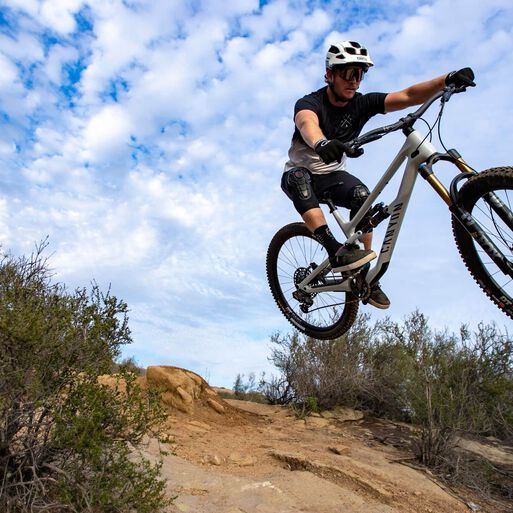
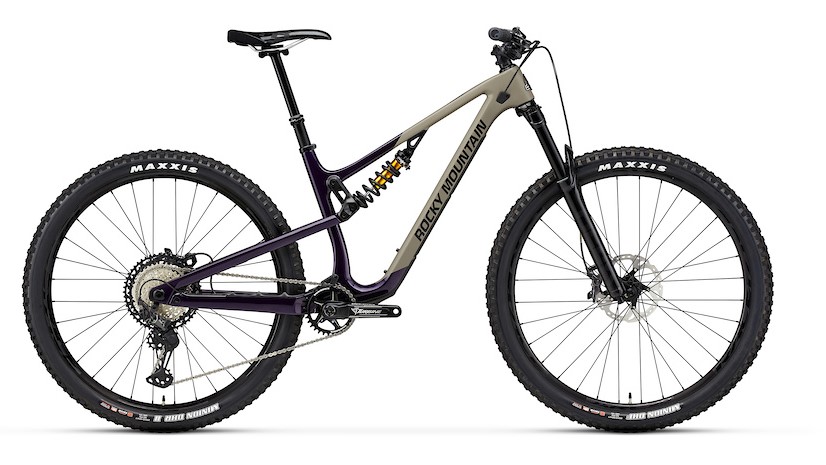
Full suspension bikes are designed to deliver maximum performance and control on challenging terrain.
1. Superior Comfort
Rear suspension absorbs shocks from rocks, roots, and drops, providing a much smoother ride.
This makes full suspension bikes ideal for long trail rides.
2. Better Traction
Because the rear wheel can move independently of the frame, it stays in contact with the ground more consistently.
This improves traction when climbing or riding over technical terrain.
3. Increased Control
Full suspension bikes offer greater stability and control, especially on steep descents and rough trails.
Riders can maintain higher speeds with greater confidence.
4. Reduced Rider Fatigue
The suspension system absorbs impacts, reducing stress on the rider’s arms, legs, and back.
This makes long rides less physically demanding.
5. Ideal for Aggressive Riding
Full suspension bikes are perfect for riders who enjoy:
- Enduro riding
- Downhill trails
- Technical mountain terrain
- Big jumps and drops
Cons of Full Suspension Mountain Bikes


4
Despite their advantages, full suspension bikes also have some drawbacks.
1. Higher Cost
Full suspension bikes are significantly more expensive due to their complex frame designs and additional components.
High-end models can cost several thousand dollars.
2. Heavier Weight
The rear shock, linkage system, and stronger frame add extra weight.
This can make climbing hills more difficult.
3. More Maintenance
Full suspension bikes include many moving parts that require regular servicing.
This can increase maintenance time and repair costs.
4. Reduced Pedaling Efficiency
Some suspension systems absorb pedaling energy, especially on older designs.
Modern bikes often include suspension lockouts to reduce this effect.
Which Bike Is Best for Beginners?


4
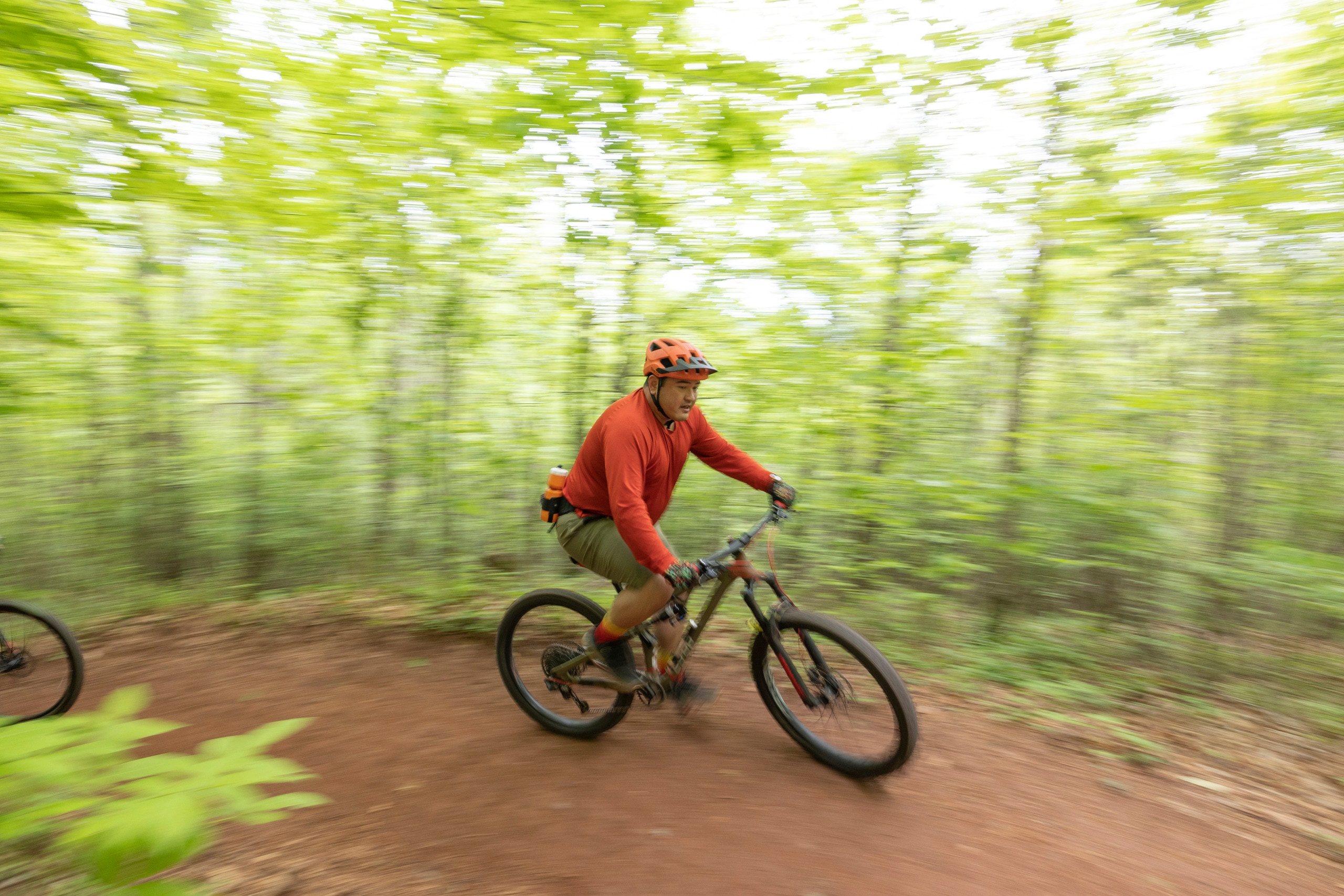
For most beginners, hardtail mountain bikes are the best starting point.
Reasons include:
- Lower cost
- Simpler maintenance
- Lighter weight
- Great for learning skills
Hardtails are perfect for riders who plan to ride cross-country trails, forest paths, and moderate terrain.
However, if you plan to ride technical trails with lots of rocks, drops, and steep descents, a full suspension bike may provide a more comfortable experience.
Video: Hardtail vs Full Suspension Explained
This video provides a helpful visual comparison of the two bike types and explains how each performs on different terrain.
Watching experienced riders test both bikes can help you better understand how suspension affects handling and comfort.
How to Choose the Right Mountain Bike
Choosing between a hardtail and full suspension bike depends on several factors.
1. Your Budget
If you are working with a limited budget, a high-quality hardtail is usually the best choice.
2. Riding Terrain
Consider where you plan to ride most often:
- Smooth trails → Hardtail
- Rocky or technical trails → Full suspension
3. Riding Style
Your riding style also plays an important role.
- Cross-country riders often prefer hardtails
- Trail and enduro riders prefer full suspension
4. Maintenance Commitment
If you prefer a simple bike with fewer maintenance requirements, hardtails are easier to manage.
Final Thoughts
Choosing between a hardtail and full suspension mountain bike ultimately comes down to your riding goals, terrain, and budget.
Hardtail bikes offer simplicity, efficiency, and affordability, making them ideal for beginners and cross-country riders. Full suspension bikes provide superior comfort, control, and traction, making them the best choice for aggressive trail riding and technical terrain.
No matter which bike you choose, the most important thing is getting out on the trail and enjoying the ride.
Mountain biking is about adventure, exploration, and pushing your limits—and the right bike will help you make the most of every ride.