Blog
Basic Bike Maintenance Every Cyclist Should Know



4
Cycling is one of the most enjoyable and healthy activities you can do. Whether you ride for fitness, commuting, or adventure, keeping your bicycle in good condition is essential for safety, performance, and longevity.
Basic bike maintenance doesn’t require advanced mechanical skills or expensive tools. In fact, most routine tasks can be performed at home with a few simple tools and a little practice.
Learning how to maintain your bicycle will help you avoid unexpected breakdowns, extend the life of your components, and ensure that every ride is smooth and safe.
In this comprehensive guide, you’ll learn the essential bike maintenance tasks every cyclist should know, including cleaning your bike, lubricating the chain, maintaining brakes, checking tire pressure, and inspecting important components.
Why Bike Maintenance Is Important

4
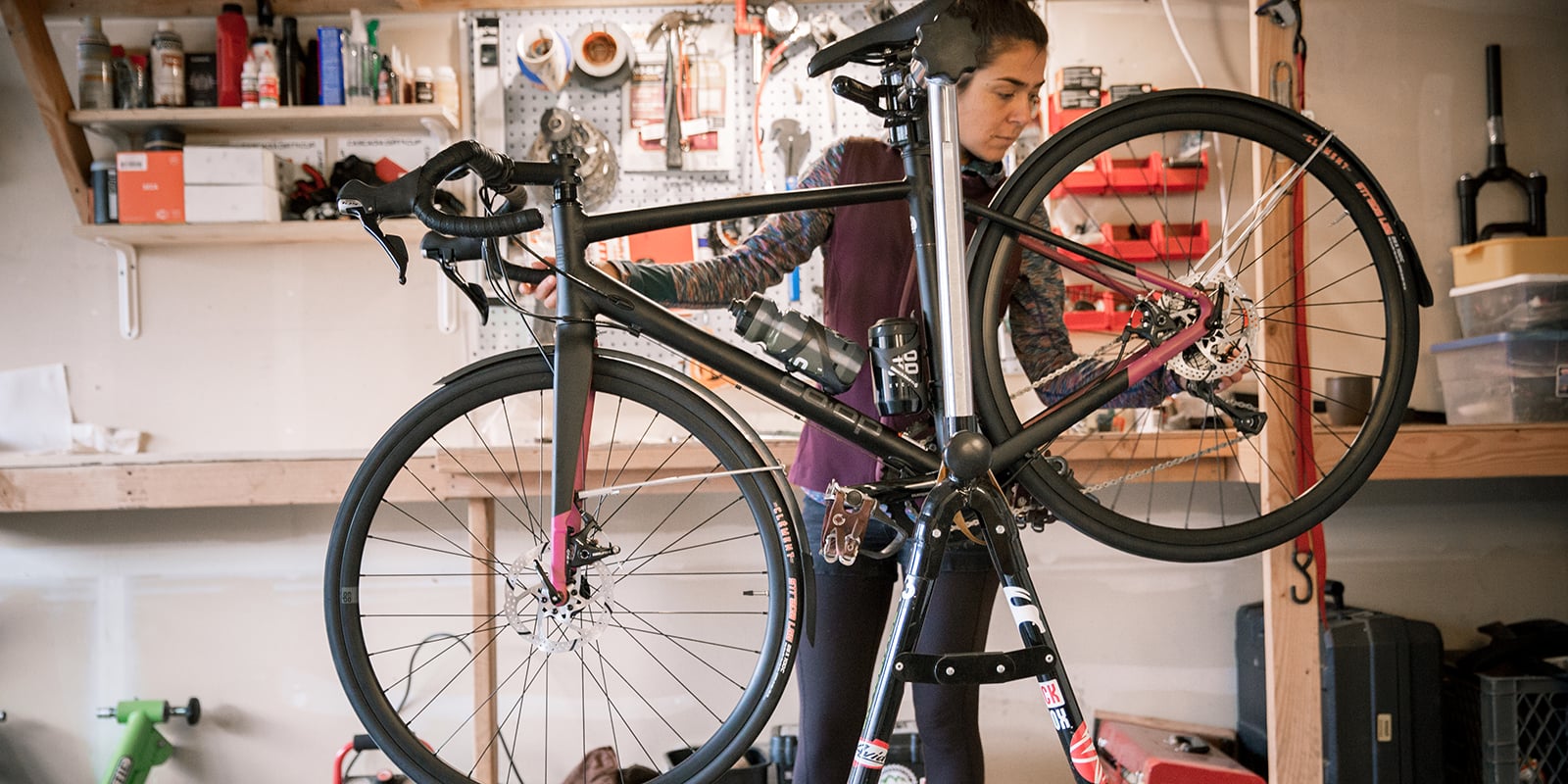
Regular bike maintenance offers several important benefits.
Improved Safety
A well-maintained bike reduces the risk of mechanical failure while riding. Properly working brakes, gears, and tires are critical for rider safety.
Better Performance
Clean and lubricated components allow your bike to shift gears smoothly and roll efficiently. A properly maintained bike simply rides better.
Longer Component Life
Bike parts such as chains, cassettes, and brake pads wear out over time. Proper care helps extend the life of these components and saves money on replacements.
More Enjoyable Riding
There’s nothing worse than dealing with a squeaky chain or poorly shifting gears during a ride. Regular maintenance ensures a smoother and more enjoyable cycling experience.
Essential Bike Maintenance Tools


4
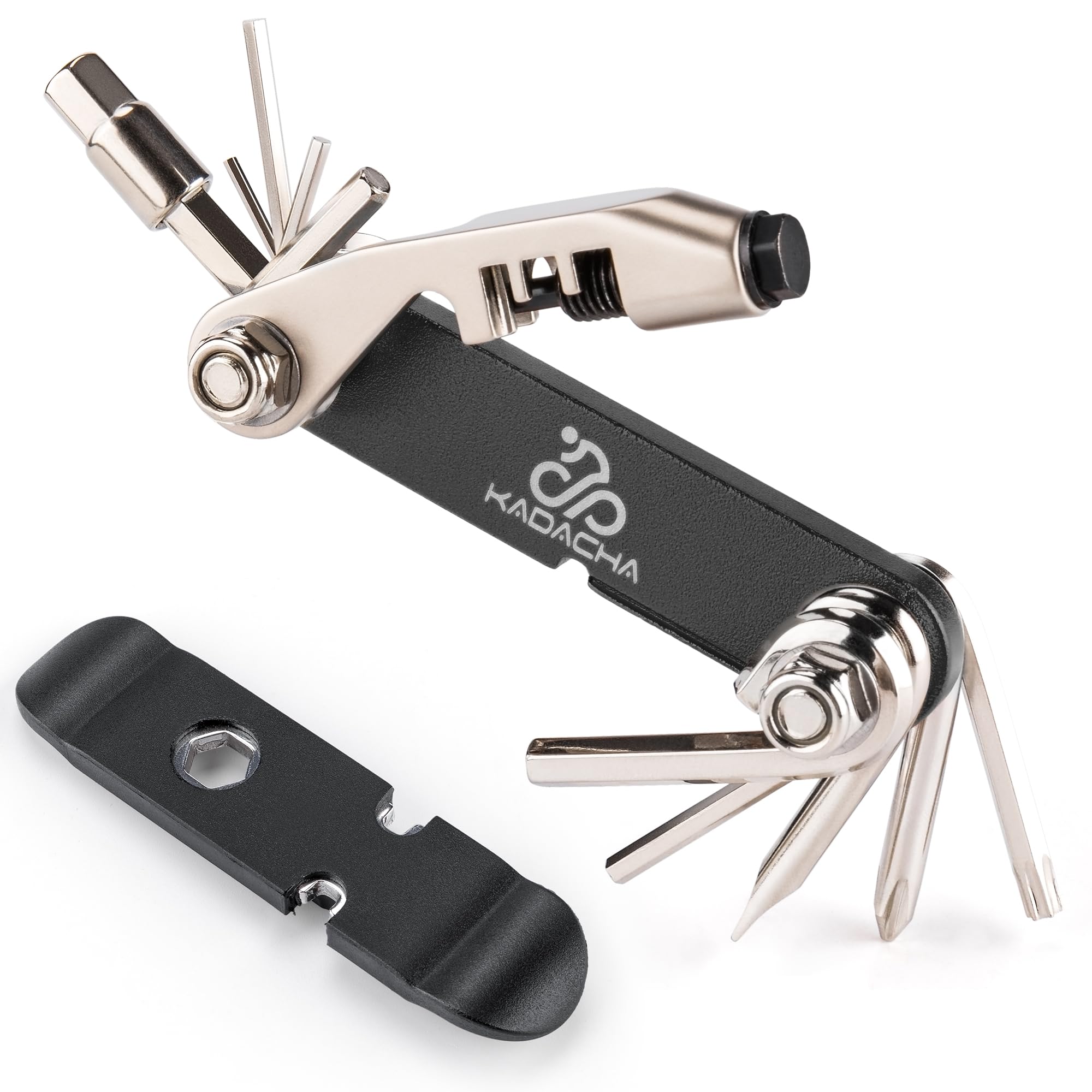
Before performing maintenance tasks, it’s helpful to have a few basic tools.
Essential bike tools include:
- Bike pump with pressure gauge
- Tire levers
- Multi-tool with hex keys
- Chain lubricant
- Bike cleaning brush
- Degreaser
- Clean rags
- Spare inner tube
These tools allow you to perform most routine maintenance tasks at home.
Cleaning Your Bicycle


4
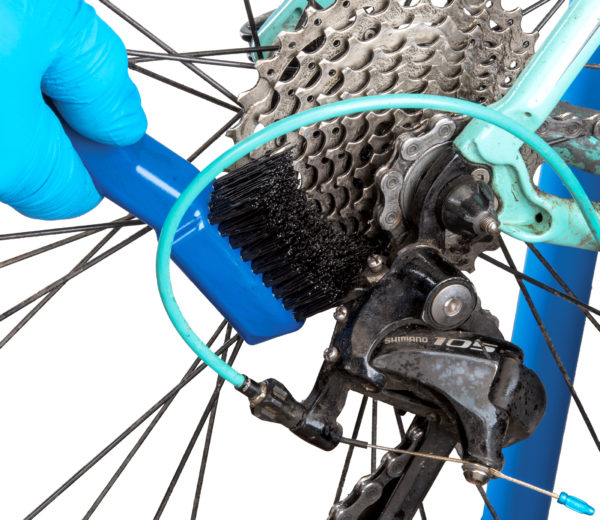
Keeping your bike clean is one of the easiest and most important maintenance habits.
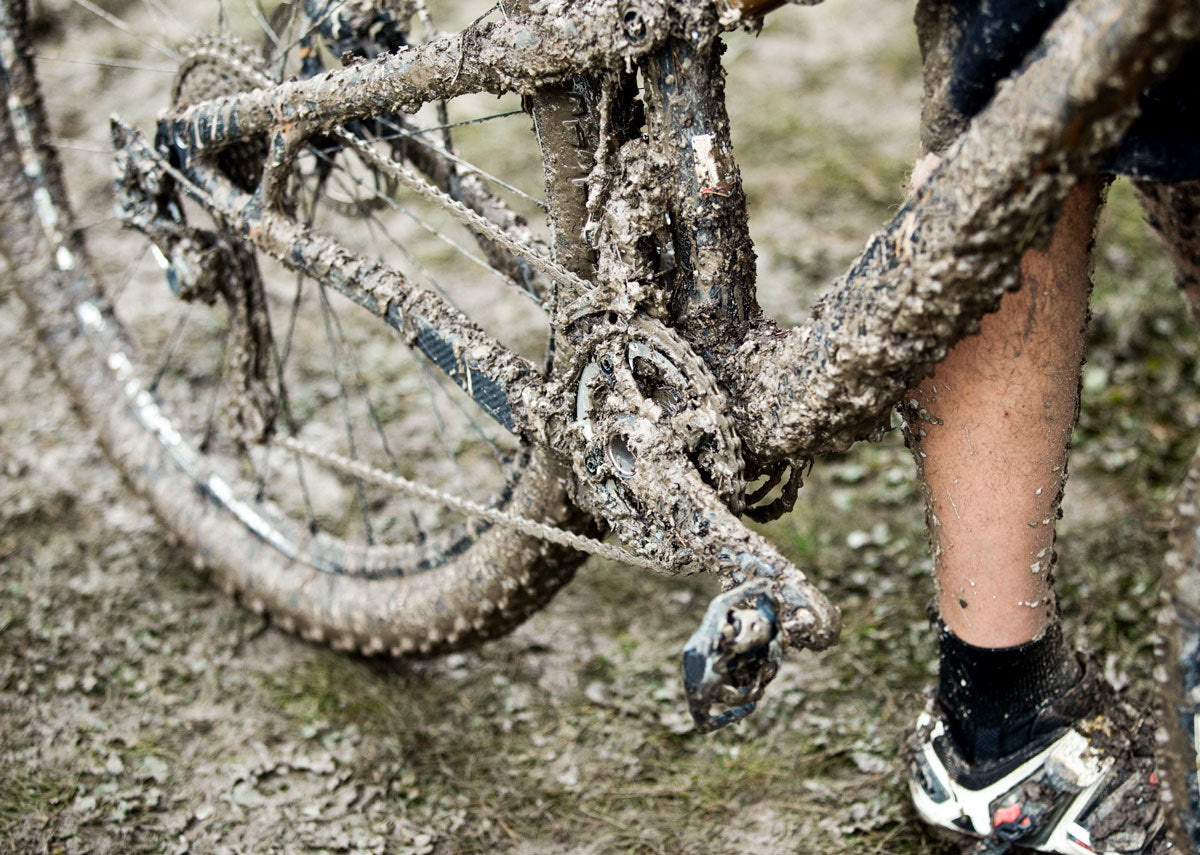
Dirt, mud, and dust can damage moving parts over time, especially the drivetrain.
How to Clean Your Bike
Follow these simple steps:
- Rinse the bike gently with water to remove loose dirt.
- Use a sponge and mild soap to clean the frame.
- Scrub the drivetrain using a brush and degreaser.
- Rinse again with clean water.
- Dry the bike with a clean cloth.
Avoid using high-pressure water, which can force water into bearings and damage components.
How Often Should You Clean Your Bike?
Cleaning frequency depends on how often and where you ride.
- Road riding: every few weeks
- Mountain biking: after muddy rides
- Commuting: once every 1–2 weeks
Regular cleaning also helps you spot potential problems early.
Lubricating the Bike Chain


4
Your bike chain is one of the most important components of the drivetrain. Without proper lubrication, friction increases and components wear out faster.
Signs Your Chain Needs Lubrication
- Squeaking noise while pedaling
- Rough gear shifting
- Visible dryness on the chain
How to Lubricate Your Chain
- Clean the chain first with degreaser.
- Dry the chain completely.
- Apply lubricant to each chain link while turning the pedals.
- Allow the lubricant to settle for several minutes.
- Wipe off excess lubricant with a cloth.
Too much lubricant can attract dirt, so always remove the excess.
Types of Chain Lubricants
There are two main types of chain lubricants:
Dry lubricant
- Best for dry and dusty conditions.
Wet lubricant
- Best for wet or muddy riding conditions.
Checking Tire Pressure


4
Proper tire pressure plays a huge role in ride quality and safety.
Riding with low tire pressure can cause:
- Slow riding speed
- Increased risk of flats
- Poor handling
How to Check Tire Pressure
Use a bike pump with a pressure gauge to measure your tire pressure.
Recommended tire pressure depends on your bike type.
Approximate ranges:
Road bikes: 80–120 PSI
Mountain bikes: 25–40 PSI
Hybrid bikes: 50–70 PSI
Always check the recommended pressure printed on the side of your tire.
When to Check Tire Pressure
Ideally, check your tire pressure before every ride.
Fixing a Flat Tire


4
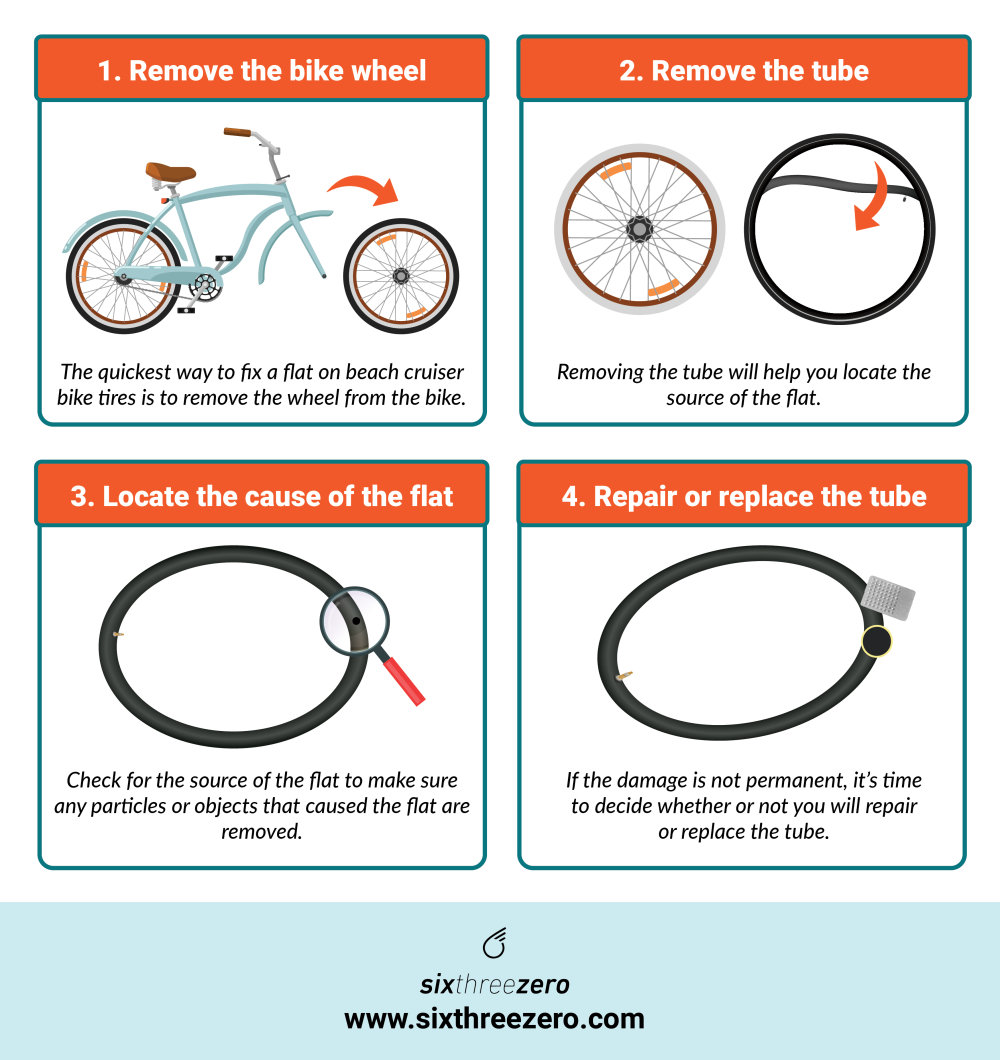
Flat tires are one of the most common issues cyclists face.
Learning how to repair a flat tire is an essential skill.
Steps to Fix a Flat Tire
- Remove the wheel from the bike.
- Use tire levers to remove the tire.
- Remove the inner tube.
- Check the tire for sharp objects.
- Replace or patch the inner tube.
- Reinstall the tire and inflate it.
Always carry a spare tube and pump during rides.
Adjusting Bike Brakes


4
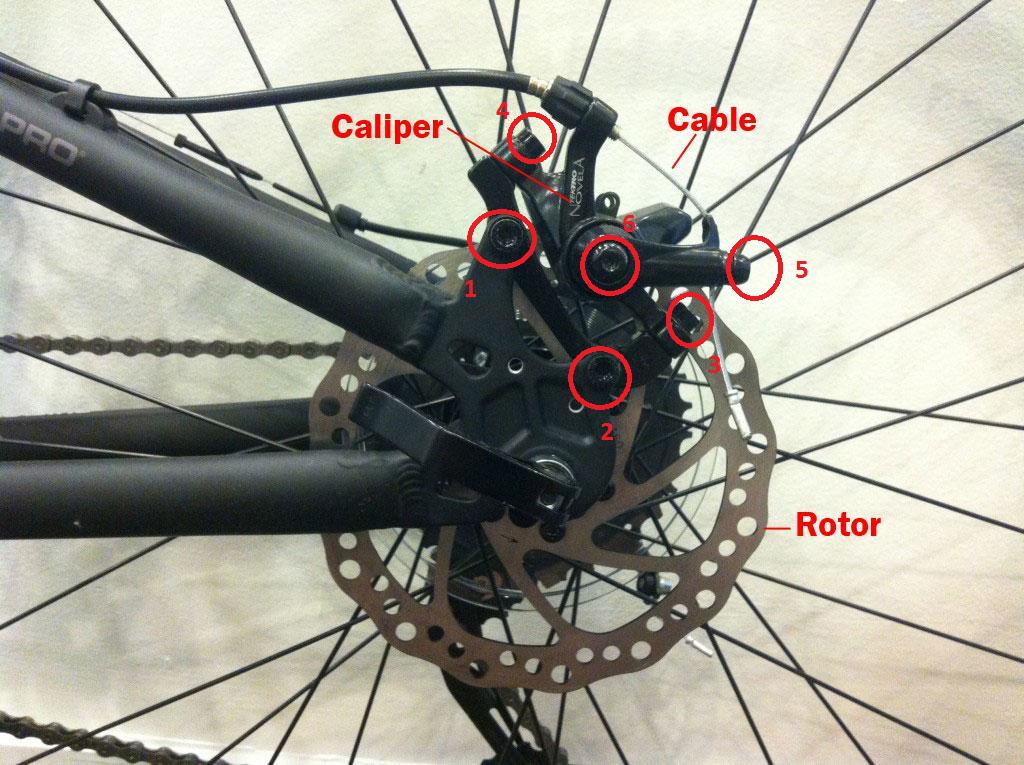
Properly functioning brakes are critical for safe cycling.
Over time, brake cables stretch and brake pads wear down.
Signs Your Brakes Need Adjustment
- Brakes feel weak
- Brake lever pulls too far
- Squeaking noises
Basic Brake Maintenance
Check the following regularly:
- Brake pad wear
- Brake cable tension
- Brake alignment
If brake pads are worn, replace them immediately.
Checking and Adjusting Gears


Smooth gear shifting is essential for efficient riding.
If your gears skip or shift poorly, the derailleur may need adjustment.
Common Gear Problems
- Chain skipping between gears
- Slow gear changes
- Noisy drivetrain
Basic Gear Adjustment
Small adjustments can often fix shifting problems.
Use the barrel adjuster near the derailleur or shifter to fine-tune cable tension.
For major adjustments, a professional bike mechanic may be required.
Inspecting the Bike Before Every Ride


4
A quick bike inspection before every ride can prevent many problems.
The ABC Quick Check is a simple method used by cyclists.
A – Air
Check tire pressure.
B – Brakes
Test your brakes to ensure they stop the bike effectively.
C – Chain
Make sure the chain is clean and lubricated.
Quick
Spin the wheels and check that everything moves smoothly.
Video: Basic Bike Maintenance Guide
Watching maintenance tutorials can make learning these skills much easier. This video demonstrates the most common bike maintenance tasks every cyclist should know.
Creating a Simple Bike Maintenance Schedule
Following a maintenance schedule helps keep your bike in top condition.
Before Every Ride
- Check tire pressure
- Test brakes
- Inspect chain
Weekly
- Clean the bike
- Lubricate chain
Monthly
- Check brake pads
- Inspect cables and bolts
Every 6 Months
- Full bike tune-up
- Drivetrain inspection
Regular maintenance prevents costly repairs later.
Common Bike Maintenance Mistakes
Many cyclists accidentally damage their bikes by making simple maintenance mistakes.
Avoid these common errors:
- Using too much chain lubricant
- Washing bikes with high-pressure water
- Ignoring worn brake pads
- Riding with underinflated tires
- Neglecting drivetrain cleaning
Taking a few minutes to maintain your bike can prevent these problems.
Final Thoughts
Basic bike maintenance is an essential skill for every cyclist. By learning how to clean your bike, lubricate the chain, check tire pressure, and inspect important components, you can keep your bicycle running smoothly and safely.
Regular maintenance not only improves performance but also extends the life of your bike and its components.
The good news is that most maintenance tasks are simple and require only basic tools. With a little practice, you’ll be able to handle common bike issues confidently.
Taking care of your bike ensures that every ride is safer, smoother, and more enjoyable.
So grab your tools, give your bike some attention, and keep the wheels turning.